Community Findings from People of Print
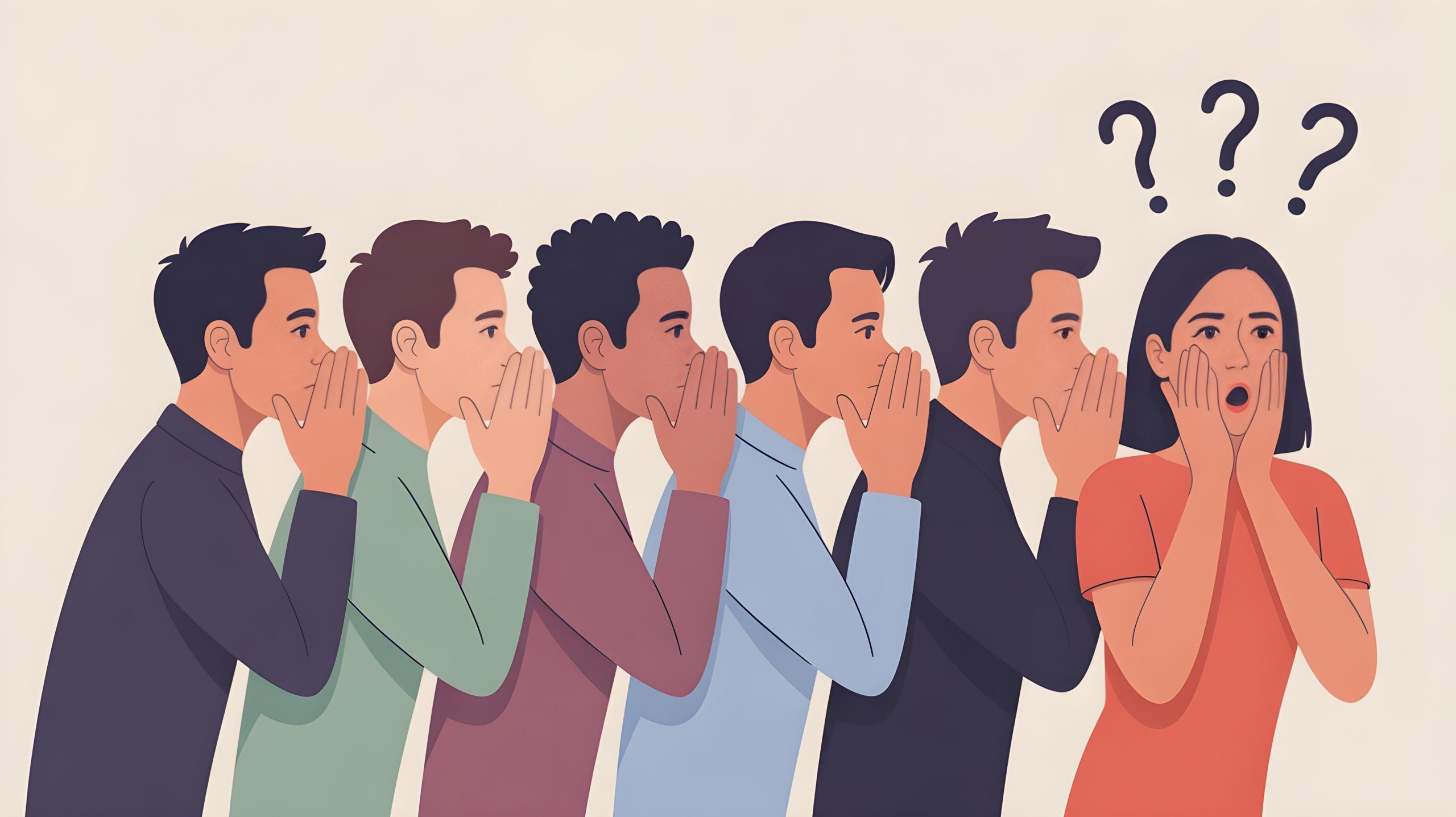
We recently asked our audience a simple question: What’s the biggest lie the creative industry still tells young designers?
The responses were varied. Some were humorous. Others were blunt. A few were deeply reflective.
Taken together, they do not point to one single lie. Instead, they reveal recurring tensions that continue to shape creative careers.
This article summarises the key themes that emerged from the discussion.
Creative Freedom vs Commercial Reality
One of the most common responses centred on autonomy.
Comments included:
“You’ll have creative freedom.”
“You’ll drive the bus.”
“You can change the world.”
“We want brave, mould-breaking thinking.”
Many contributors described a gap between education and industry. In university environments, experimentation and personal voice are often prioritised. In professional settings, work is shaped by budgets, deadlines, brand guidelines and stakeholder expectations.
Several respondents highlighted how decision-making power frequently sits with clients or senior leadership. One referenced the acronym HIPPO, meaning Highest Paid Person’s Opinion, to describe how authority can override research or creative rationale.
The theme that emerged was not that creativity disappears, but that its parameters shift significantly once commercial responsibility enters the picture.
Hard Work, Talent and Visibility
Another recurring idea was the belief that talent and effort alone determine success.
Responses included:
“Work hard and you’ll be rewarded.”
“Good work speaks for itself.”
“Keep going, the clients will come.”
Many contributors instead pointed to the importance of networking, exposure, positioning and business literacy. Several noted that creatives are taught how to create but rarely how to market themselves, negotiate fees or build long-term sustainability.
The tension appears to lie between craft education and commercial reality.
Unpaid Work and Paying Dues
Internships, unpaid labour and “exposure” were mentioned frequently.
Examples included:
“Start with us for exposure. We’ll talk about money later.”
“Keep working for free until you get paid.”
“You need to pay your dues.”
These comments reflect ongoing concerns about financial accessibility and fairness, particularly for those without economic safety nets. Some contributors described a system where early-career creatives are expected to tolerate instability in exchange for experience.
Rather than identifying a single falsehood, many responses point to structural imbalance.
The Degree Debate
Education emerged as one of the most polarising themes.
Some contributors said the lie they were told was that you need a degree to be a designer.
Others said the lie they were told was that you do not need a degree to succeed.
Both statements appeared in the responses.
This suggests that conflicting narratives are circulating simultaneously. For some, formal education was presented as essential. For others, it was positioned as unnecessary or even irrelevant.
What appeared more consistent across both perspectives was the view that business knowledge is under-taught. Whether degree-based or self-taught, many felt that pricing, marketing, freelancing and running a practice were areas that required more structured guidance.
The underlying issue may not be the qualification itself, but how clearly pathways into sustainable practice are communicated.
The Reality of Daily Work
Several responses challenged assumptions about how time is spent in creative roles.
“You’ll be designing all day.”
“It’s creative.”
“You’ll only be doing design.”
Contributors noted that professional time is often divided between meetings, documentation, revisions, collaboration and administration. Some also mentioned the expanding scope of responsibilities, with designers expected to operate across photography, video, development and marketing without proportional compensation.
The underlying theme was not dissatisfaction with collaboration, but surprise at the breadth of the role.
Experimental Work vs Commercial Practice
Multiple comments highlighted the gap between experimental or self-initiated work and commercial design.
One contributor described a significant difference between creative experimentation and paid commercial work, noting that being paid for highly creative projects is less common than students may assume.
Another pointed out that performative design created for content, without real-world constraints, can distort expectations of how professional design functions.
This reflects an ongoing conversation around awards culture, social media visibility and the distinction between portfolio pieces and billable work.
Sustainability and Work-Life Balance
References to burnout and hustle culture appeared throughout the responses.
“Work life balance.”
“Working late gets you false promises.”
“Do what you love and you’ll never work a day in your life.”
The sentiment expressed was less about rejecting ambition and more about questioning the romanticisation of exhaustion as proof of dedication.
Critique and Generational Tension
One detailed response described alumni portfolio reviews where emerging designers felt dismissed rather than supported.
The comment suggested that critique can sometimes feel hierarchical rather than developmental, particularly when generational differences in aesthetics or approach are involved.
While not presented as universal, it raises questions about mentorship, gatekeeping and how the industry nurtures new talent.
Observations
The responses do not suggest that the creative industry is built on deliberate dishonesty.
Instead, they point to recurring omissions:
The omission of financial realities.
The omission of business literacy.
The omission of hierarchy and power structures.
The omission of how much non-design work creative roles involve.
The omission of how competitive and network-driven the field can be.
Many of the so-called lies appear to originate in messaging that foregrounds inspiration while backgrounding constraint.
For emerging designers, the distance between narrative and experience can create frustration.
There was no single answer to our original question.
Instead, the discussion revealed a series of tensions that continue to shape creative careers:
Autonomy and service.
Passion and sustainability.
Craft and commerce.
Visibility and expertise.
Education and employability.
The creative industry is not uniquely deceptive. However, expectation and structure are often misaligned.
Clarity may be more valuable than optimism or cynicism. And open conversations like this helps bring that clarity into focus.

marcroy@peopleofprint.com
- Nils Leonard on Craft, Culture, and Why Print Still Matters - April 28, 2026
- Our time at OFFF Festival 2026 | 10 Key Takeaways - April 19, 2026
- More Than Fish: Donna Cyril at Sasoon Dock - April 4, 2026

