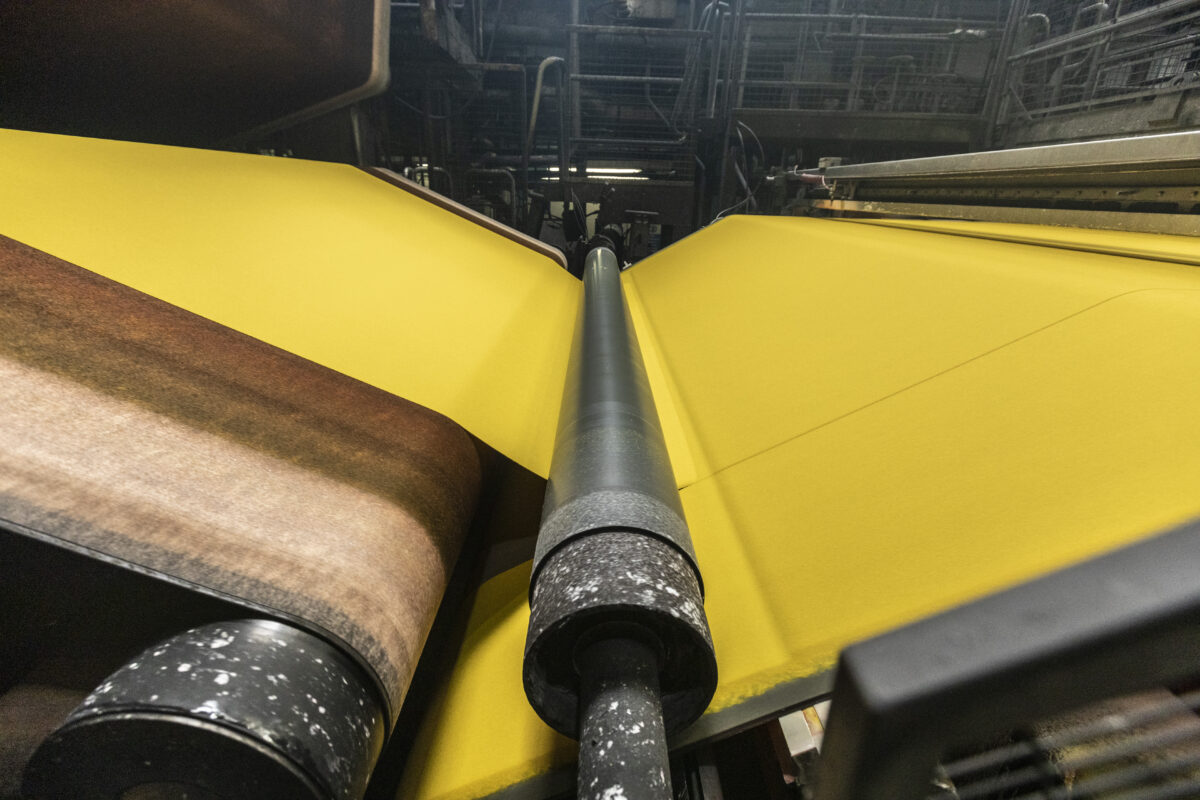
At People of Print, we talk a lot about the final sheet. Ogling over the moment it hits the press, the way ink bites and foil lifts, the way a box lid closes with just the right resistance…
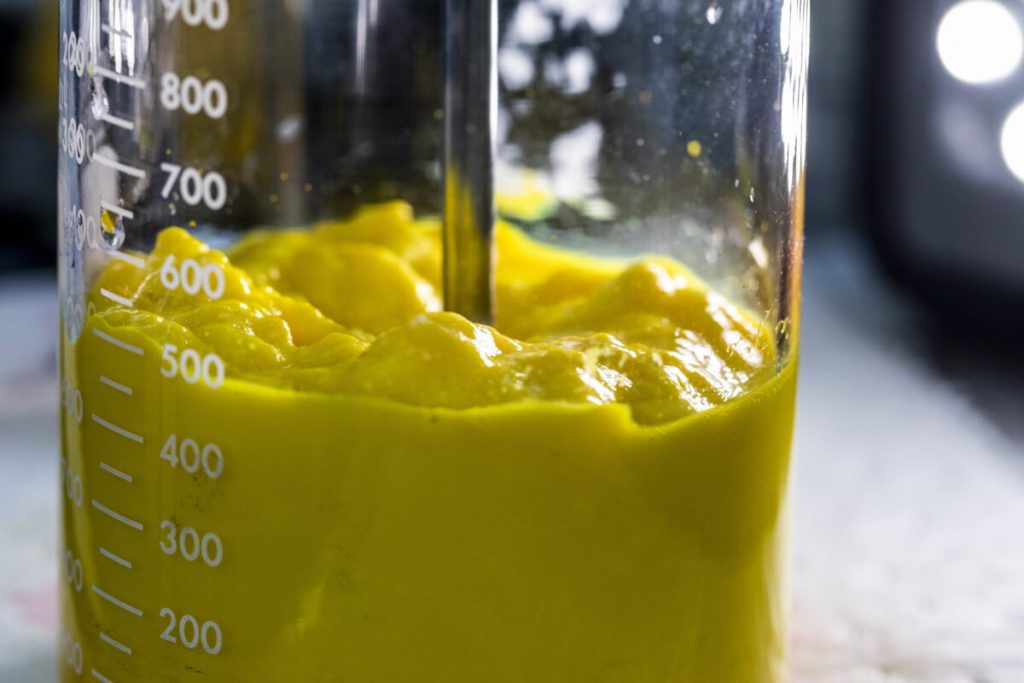
But long before a sheet reaches a printer or packaging studio, it begins somewhere far less romantic. It starts in a beaker.
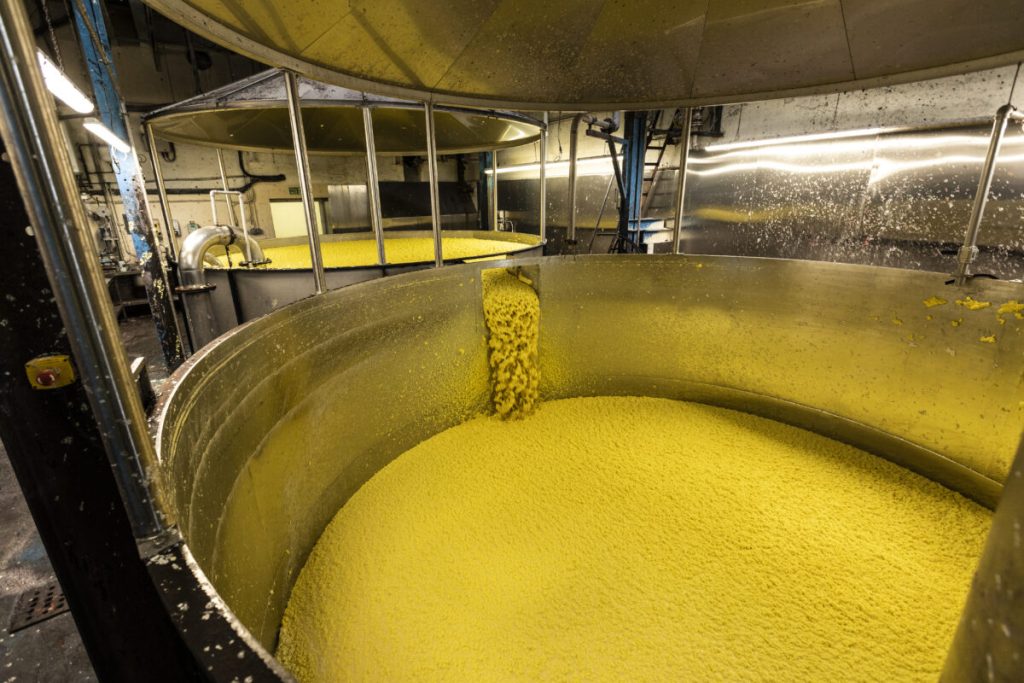
At James Cropper’s Burneside Mill in the Lake District, every luxury packaging paper and premium print paper starts life at laboratory scale. And for a community like ours, that detail matters more than most people realise.
Paper Is Designed Before It Is Made
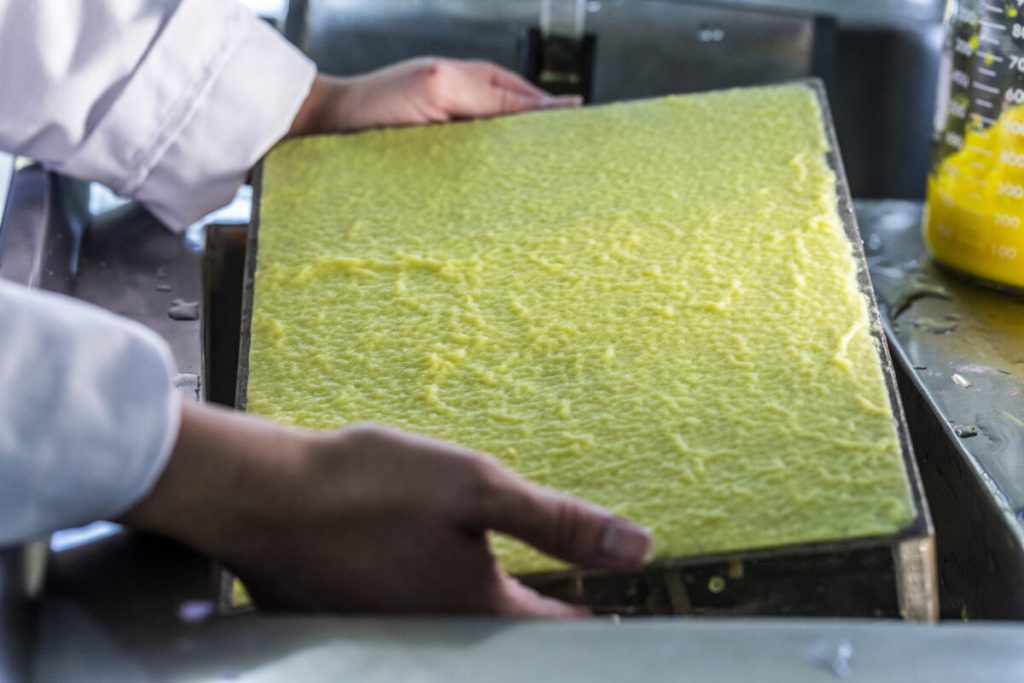
Before fibres run through a full-scale machine, they are tested, measured and refined in controlled lab conditions. Small-scale beaker trials allow technicians to experiment with fibre blends, pigment load, bonding behaviour and surface characteristics.
This is where colour is tuned, opacity is balanced, and performance is stress-tested before production begins.
For designers specifying bespoke shades for luxury packaging, or studios developing print-led brand systems, this stage is critical. A subtle shift in pulp composition can change how a stock embosses. A minor adjustment in pigment ratio can affect how ink sits or how a shade appears under different lighting conditions. This is material engineering at its finest.

Scaling Without Compromise
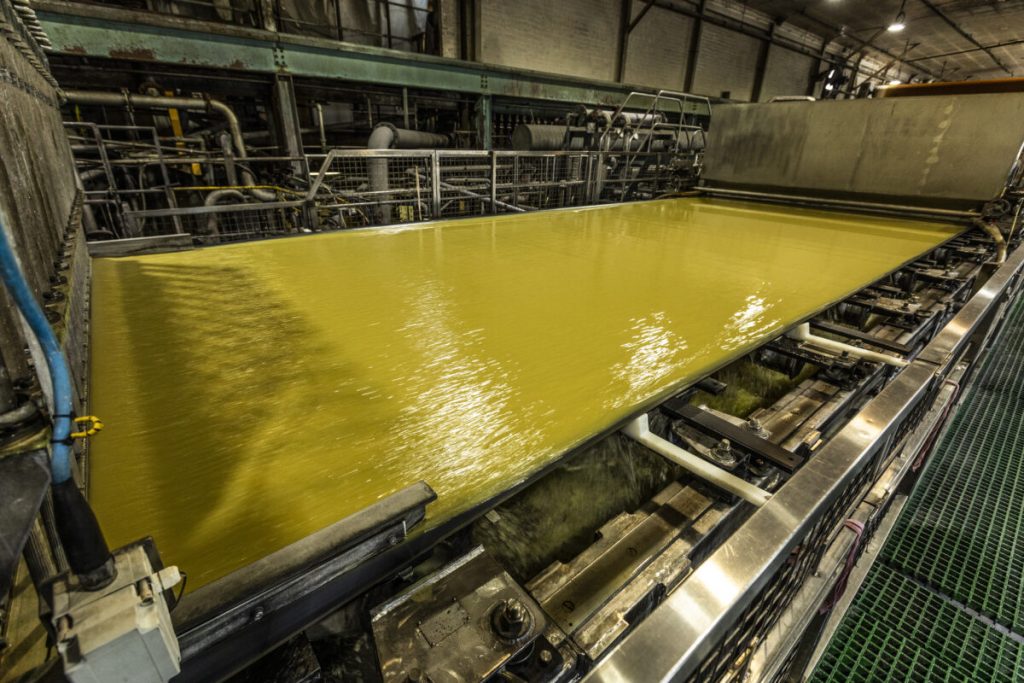
Moving from lab sample to full production reel is not a simple step up in volume. Fibre behaves differently under industrial tension. Water flow alters dynamics. Colour reacts at scale.
The expertise of a British paper manufacturer lies in translating laboratory precision into consistent, repeatable production.
At Burneside, James Cropper has refined this process over generations. What works in the beaker must perform identically on the machine. And what performs on the machine must hold steady across runs, campaigns and collections.
For luxury packaging paper, consistency is non-negotiable. A box board that shifts tone between batches weakens brand trust. A premium print paper that handles ink unpredictably disrupts creative intent. From lab bench to reel, control is everything.
Where Craft and Chemistry Meet
What makes James Cropper’s process distinct is the balance between technical intelligence and hands-on observation. Laboratory testing informs production, but generational knowledge guides it.
Machine adjustments are not automated decisions alone. They are informed by experience. Fibre blending is both measured and felt.
For our community, many understand the nuance of stock selection instinctively; this blend of craft and science feels familiar. It mirrors the relationship between designer and press operator. Between concept and execution. Paper is not simply manufactured; it is developed.

Why It Matters to Designers and Printmakers
We believe material choice shapes outcome. Substrate determines how ink behaves, how deboss depth reads, how a luxury package is perceived.
Knowing that a sheet has been engineered from laboratory experiment through to full-scale production offers reassurance. It means the luxury packaging paper you specify has been stress-tested for performance, that the premium print paper you choose has been refined for colour integrity and surface reliability.
It means intention has been pressed into every fibre.
Precision Is the Invisible Layer
James Cropper’s journey from beaker to reel reiterates that the most important work often happens before the sheet reaches the press.
Luxury packaging and premium print demand more than surface beauty. They require technical stability, repeatable colour and engineered performance.
As a Partner Member of People of Print, James Cropper represents a model of British papermaking where laboratory precision and craft manufacturing work together. The result is material shaped with intent, long before the first drop of ink touches it.
Want to know more about our membership? Give us an email at members@peopleofprint.com.
- Stay the Night, Seize the Day: Nicoleta Costin’s Rebrand of NOX Hotels - June 17, 2026
- Safe From Anything Except Typography: Mikhail Lychkovskiy’s Typoposterized - June 15, 2026
- Quiet Confidence: Boo Republic Designs Ergon Originals - June 15, 2026