
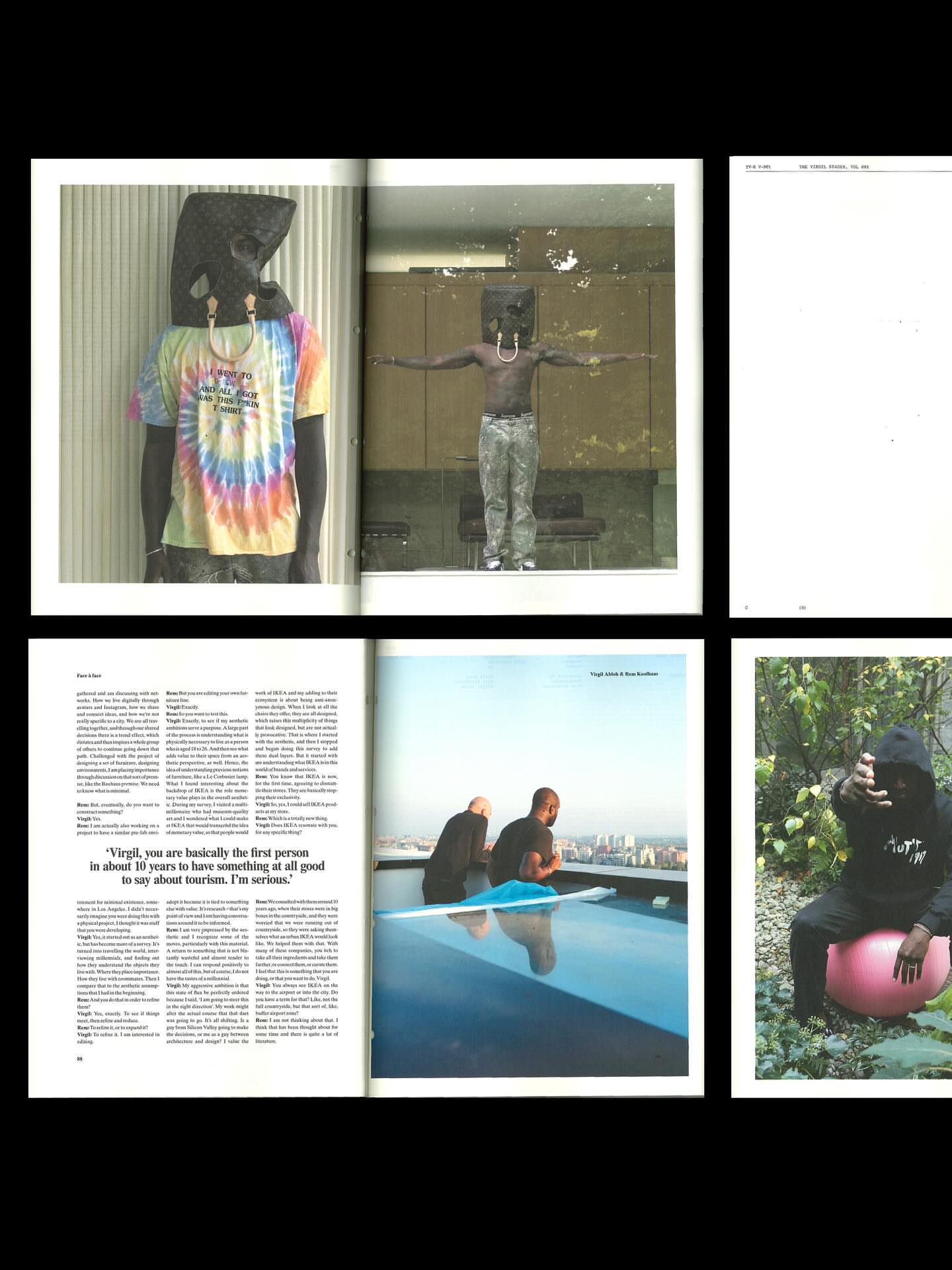
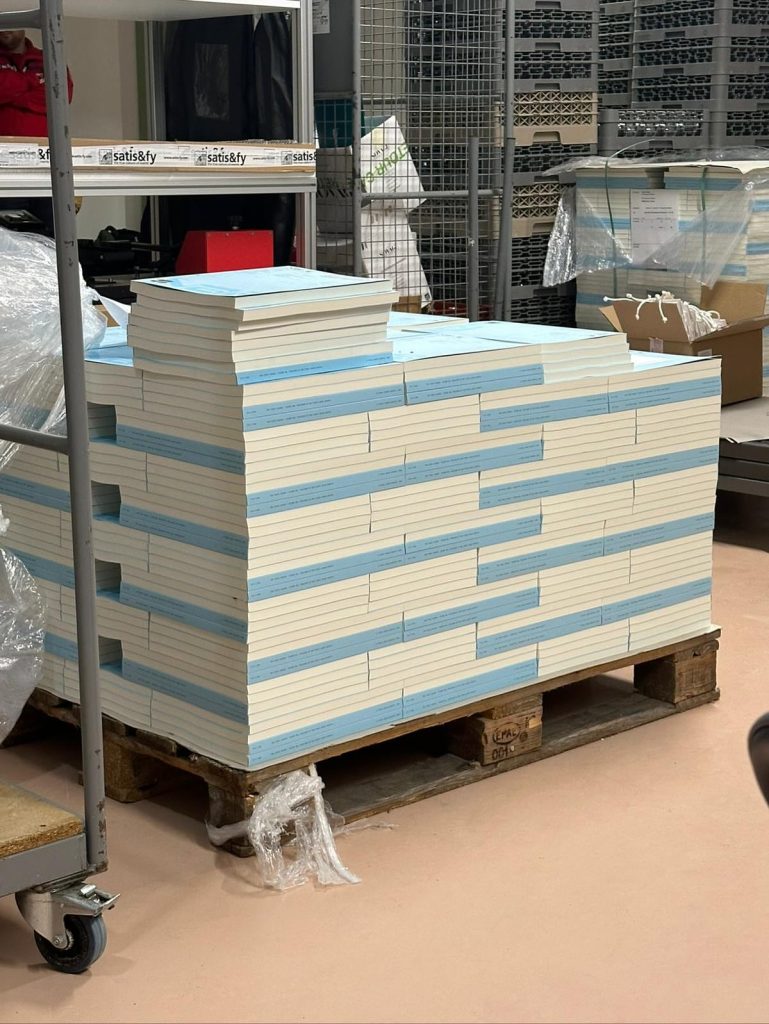
When The Virgil Reader Vol. 001 was first announced, it would have been easy to assume it was another tribute publication. A large-format book, a limited run, global pre-orders. The sort of release that often follows the passing of a cultural figure. But the first printed publication from the Virgil Abloh Archive feels less like a memorial and more like documentation.
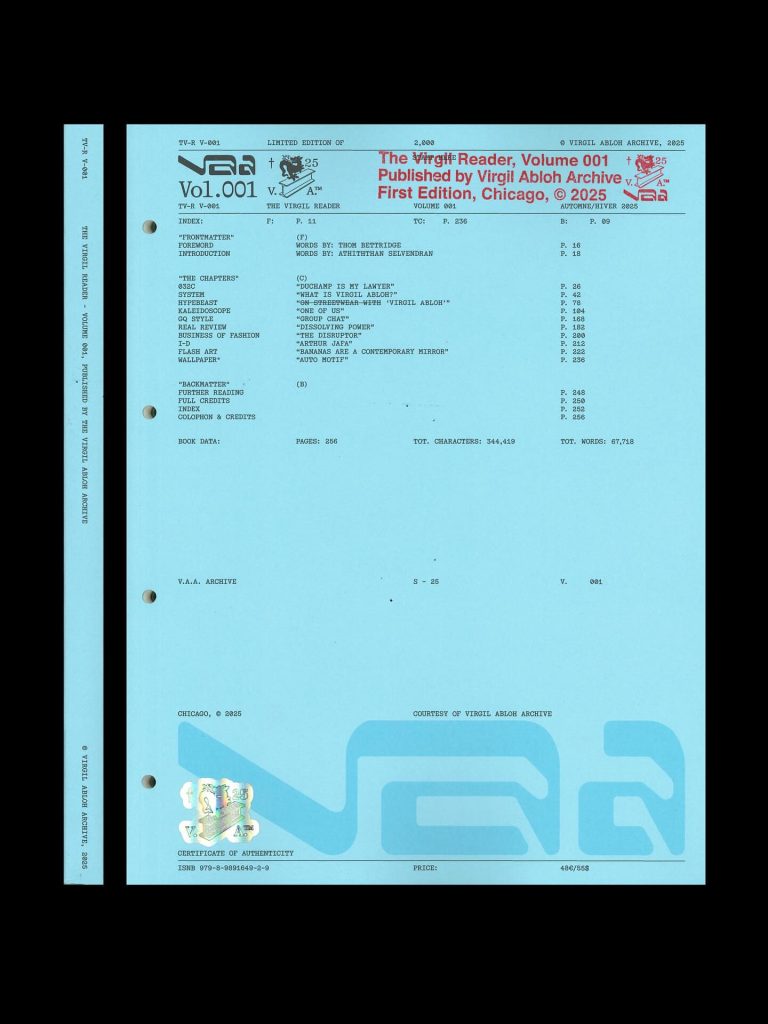
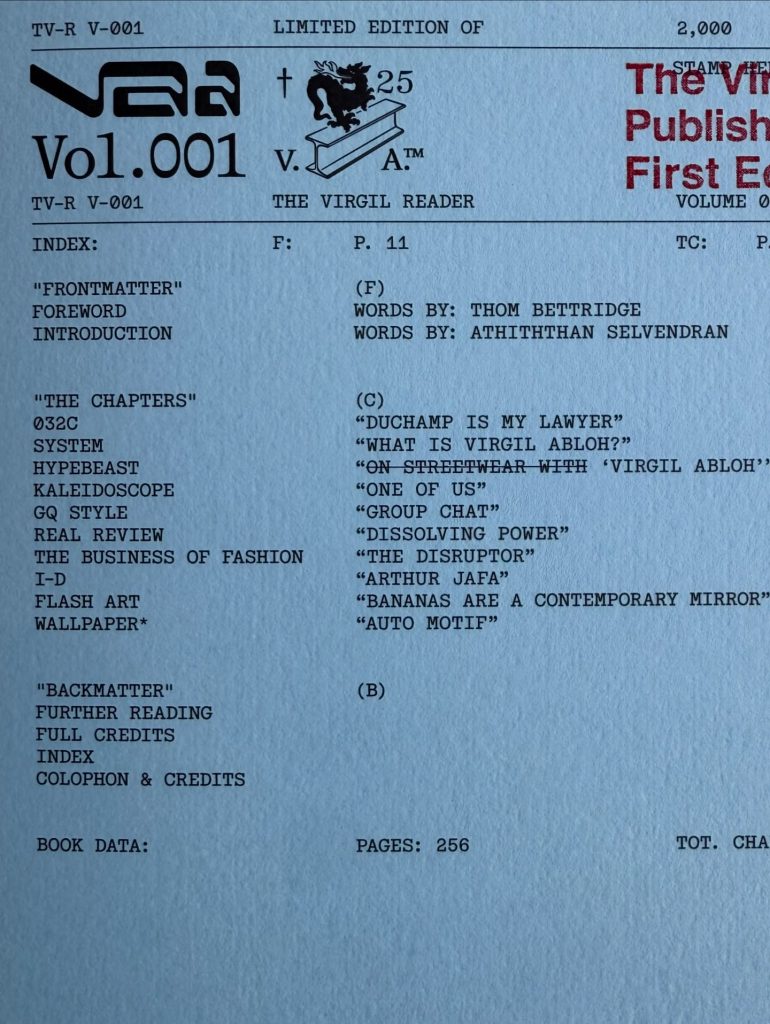
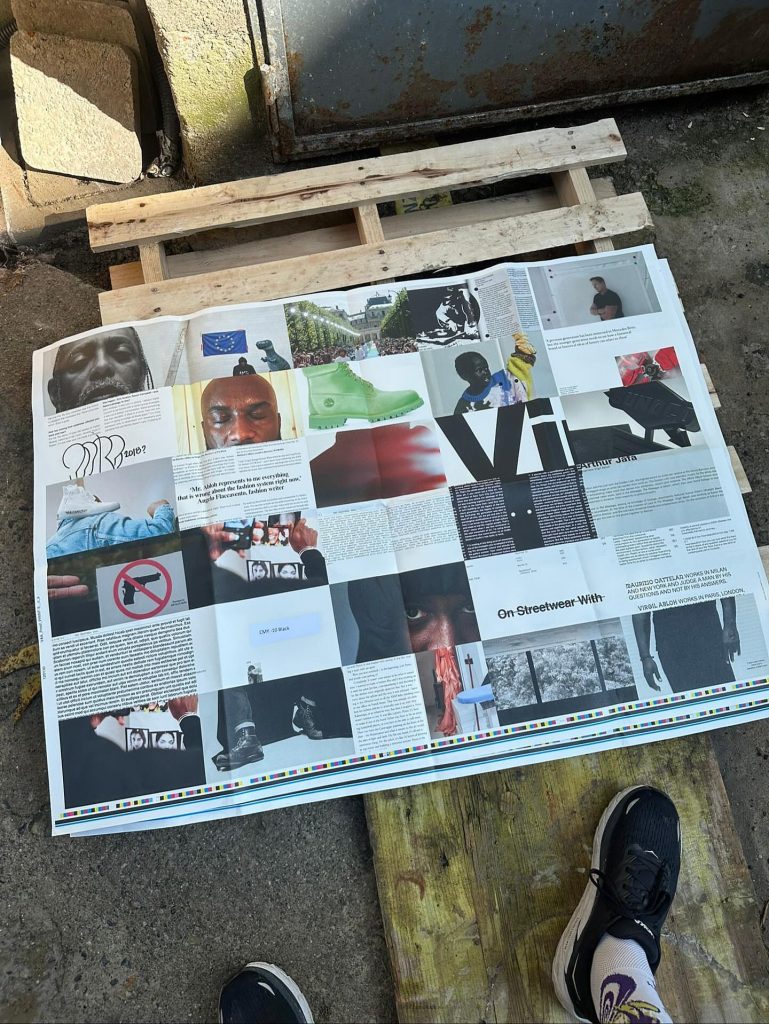
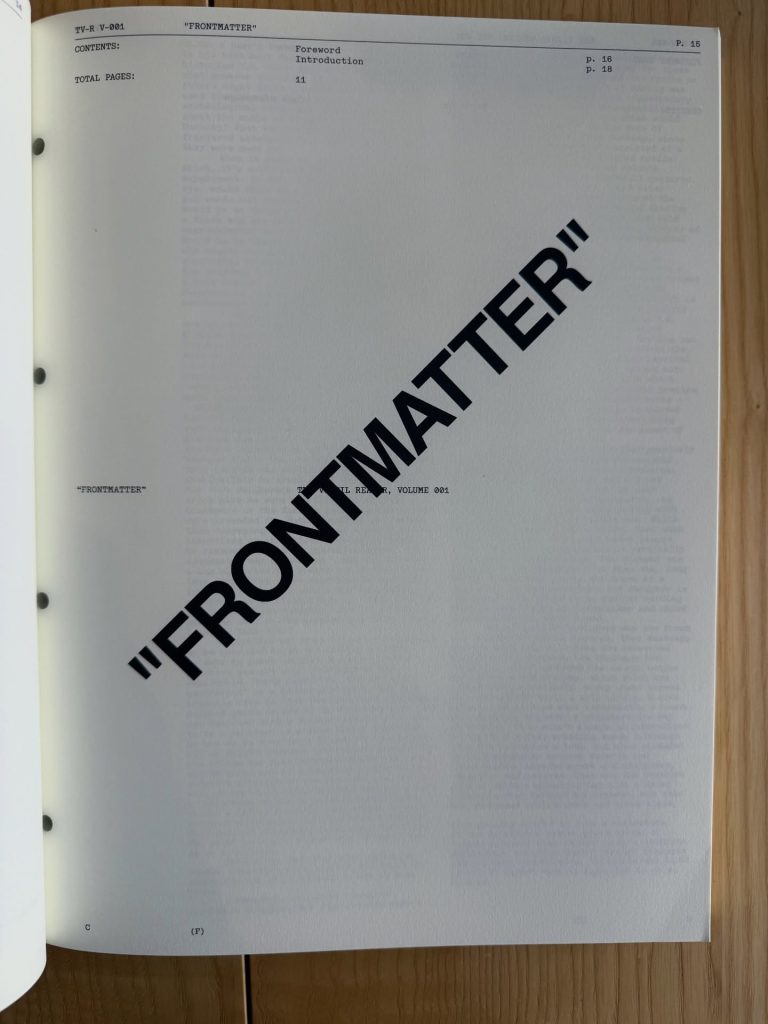
Across its 256 pages, the Reader gathers interviews, essays and conversations that trace Abloh’s thinking across fashion, design, architecture and contemporary culture. Instead of presenting a polished narrative about his career, it collects fragments of his ideas and working methods, allowing readers to study them, annotate them and interpret them in their own way.
In that sense, The Virgil Reader Vol. 001 behaves less like a coffee-table book and more like a creative manual. For anyone familiar with Abloh’s approach to making things, that feels entirely appropriate.

Virgil Abloh’s open-source mindset
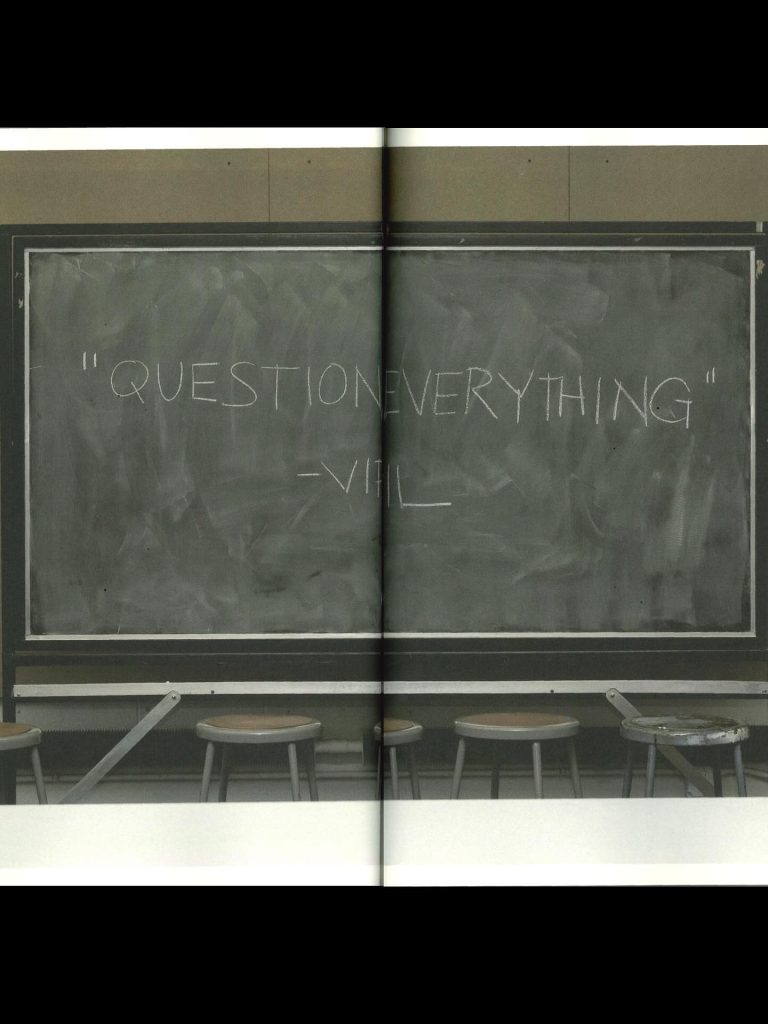
Virgil Abloh consistently treated creativity as something that should be shared rather than protected. His work often revolved around transparency, remixing and the idea that culture moves forward by building on existing references.
One of the clearest expressions of this philosophy was Free Game, a project he launched to demystify the process of starting a clothing brand. Rather than presenting fashion as an exclusive industry guarded by gatekeepers, Free Game broke the process down step by step.
It covered everything from naming a brand and registering trademarks to learning Adobe software, producing garments, building a Shopify store and creating lookbooks.
In many ways it functioned as a free design education. The principle behind it was simple. Knowledge should circulate. That same philosophy now sits at the centre of the Virgil Abloh Archive, whose mission is to make his work accessible to anyone who wants to study and build upon his ideas. Rather than preserving his archive as something static, the project frames it as a resource that can continue to inspire and inform new generations of creatives. The Virgil Reader Vol. 001 is the first major printed expression of that idea.
Inside The Virgil Reader Vol. 001
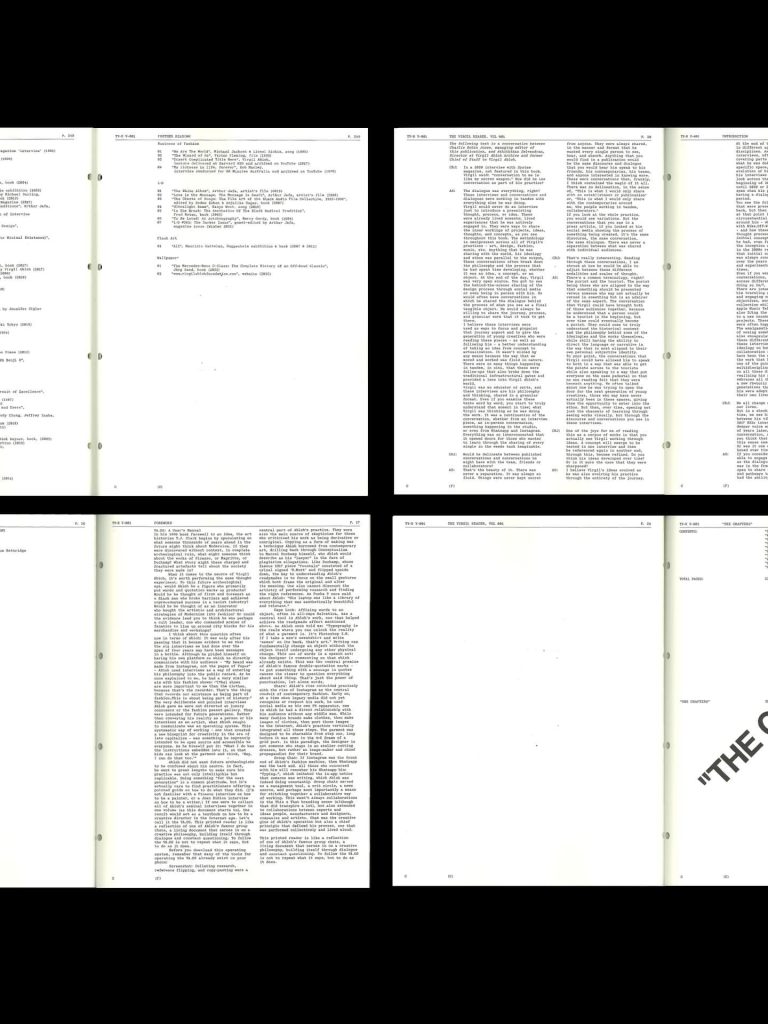
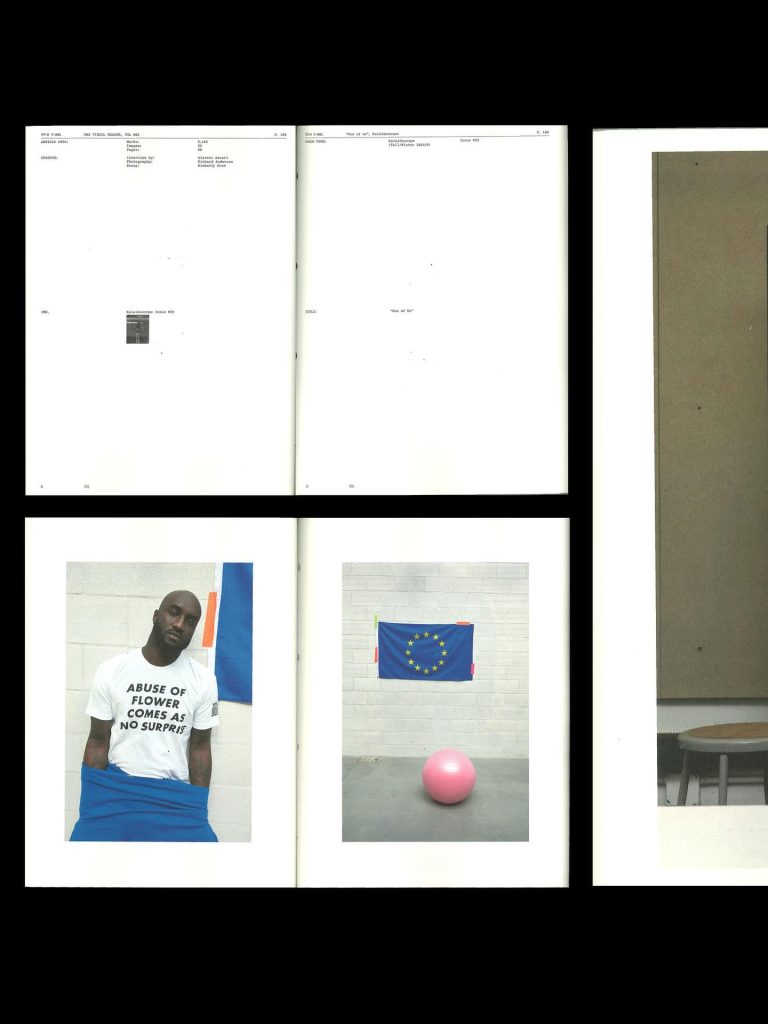
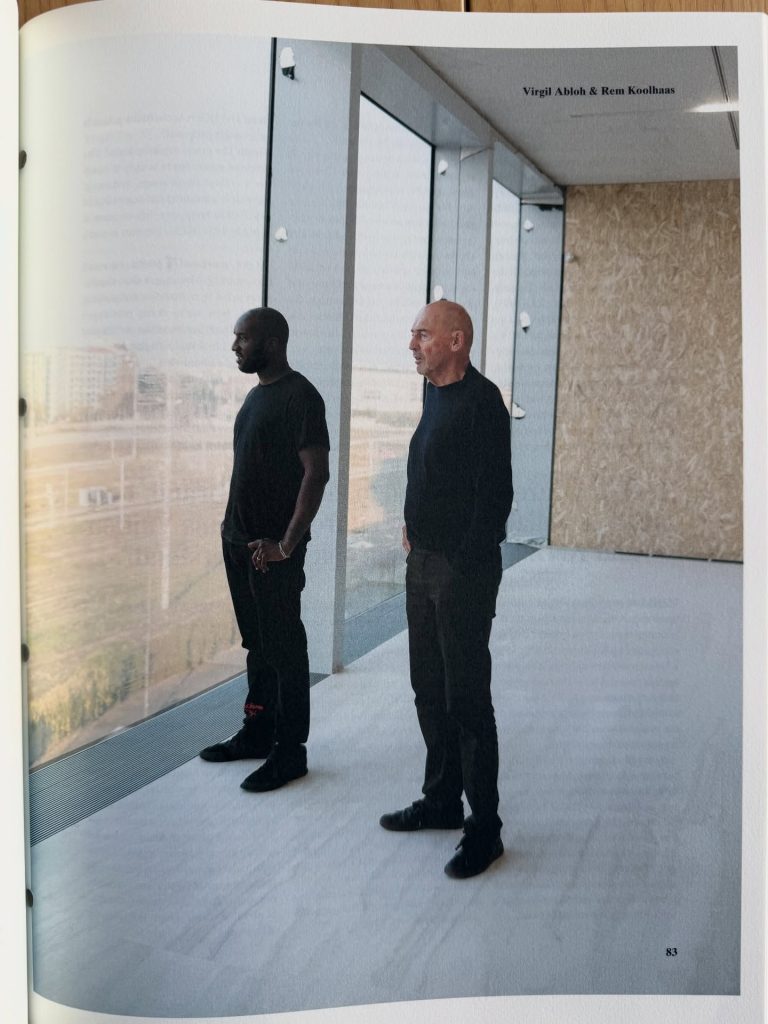
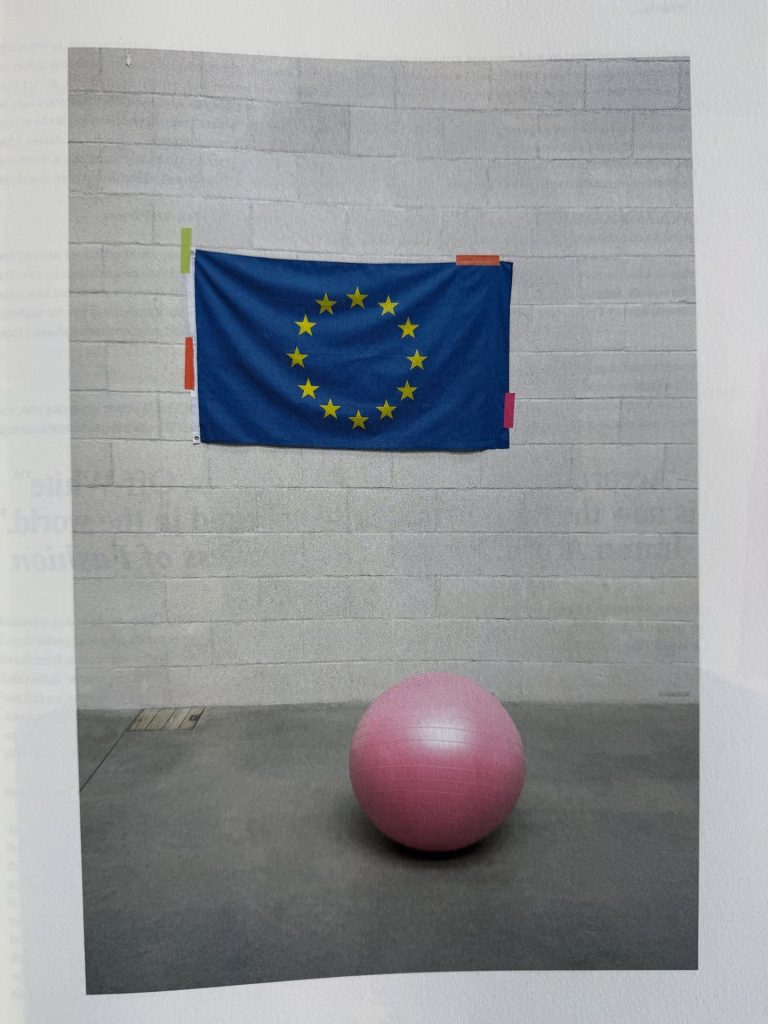
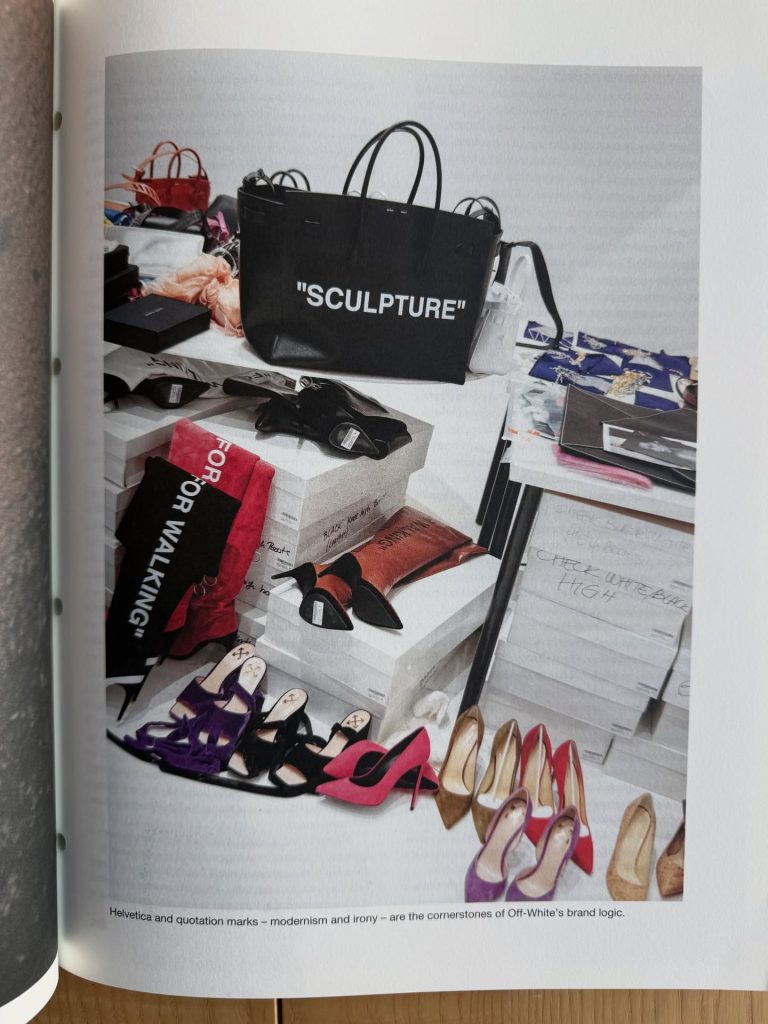
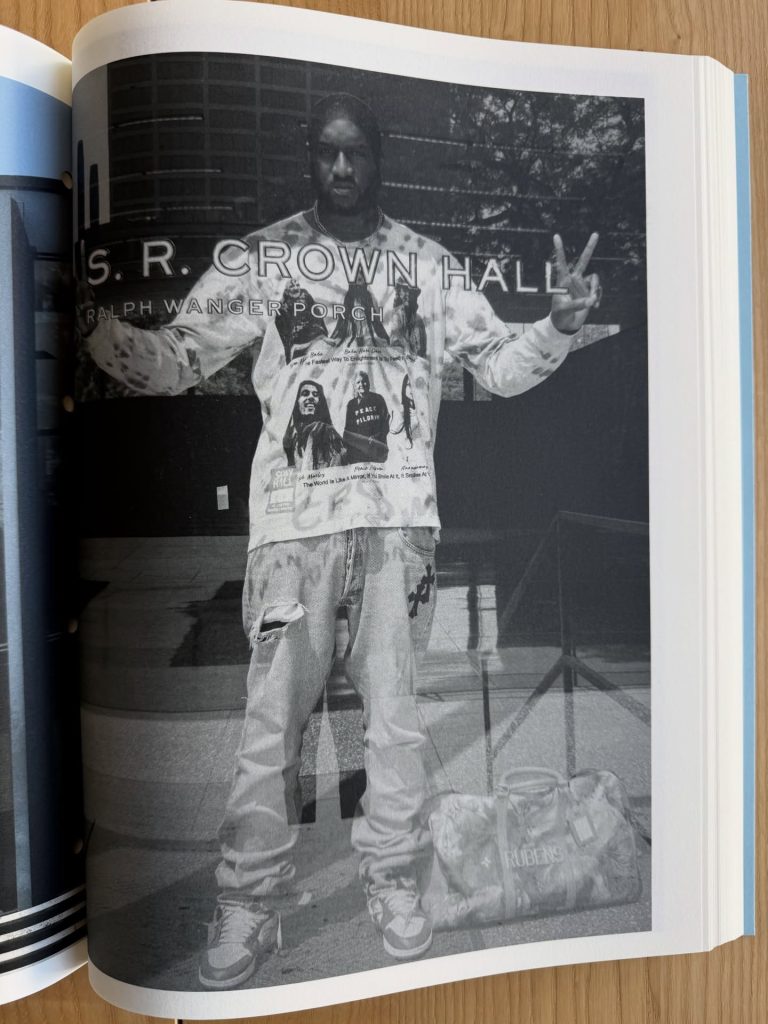
The publication gathers interviews and essays originally published in titles such as 032c, GQ Style, i-D and Business of Fashion, alongside archival material that helps connect them into a broader narrative. Many of the texts appear in their original editorial layouts, preserving the design and cultural context in which they first appeared. A foreword by editor Thom Bettridge helps frame the collection, but the book largely lets the conversations speak for themselves. Seen together, these pieces begin to feel less like scattered press coverage and more like a curated body of thought.
Across the pages, Abloh reflects on architecture, DJ culture, streetwear, luxury fashion, branding and contemporary art. Each conversation reveals a slightly different perspective on how he approached creativity and collaboration. Taken collectively, the Reader begins to map something like a creative operating system.
Why The Virgil Reader works like open-source documentation
What makes the Reader particularly interesting is how closely it resembles open-source documentation. In software culture, documentation explains how a system works so that others can build upon it. It does not present a finished product. Instead, it reveals the logic behind it.
The Virgil Reader Vol. 001 operates in a similar way. Rather than simply celebrating Abloh’s work, it exposes the references, thought processes and cultural inputs that shaped it.
One of the ideas he returned to frequently was the 3% rule. The concept that a small shift to an existing object or reference can create something entirely new.
Understanding that idea requires understanding the inputs behind it. The music, design history, architecture and cultural references that influenced how Abloh approached projects.
By gathering the texts where he discussed those influences, the Reader effectively exposes the creative code behind the work. For designers, students and studios, that transforms the publication into something practical. It becomes something you can actively learn from.
The Virgil Abloh Archive and the Reader ecosystem
The book also exists within a broader platform being developed by the Virgil Abloh Archive. Alongside the publication, the Archive offers free public membership that provides access to digital excerpts, newsletters and early information about future releases. Talks, readings and screenings connected to the project help extend the conversation beyond the printed page.
Together these elements create something closer to an educational infrastructure than a single publication. The Reader acts as the printed anchor, while the wider ecosystem keeps the ideas circulating through events, discussions and future volumes.

Why print still matters for creative archives
For a project centred on accessibility and shared knowledge, the decision to anchor it in print feels significant. Digital archives are powerful but fragile. Websites disappear, links break and platforms change. A printed publication has a different kind of durability.
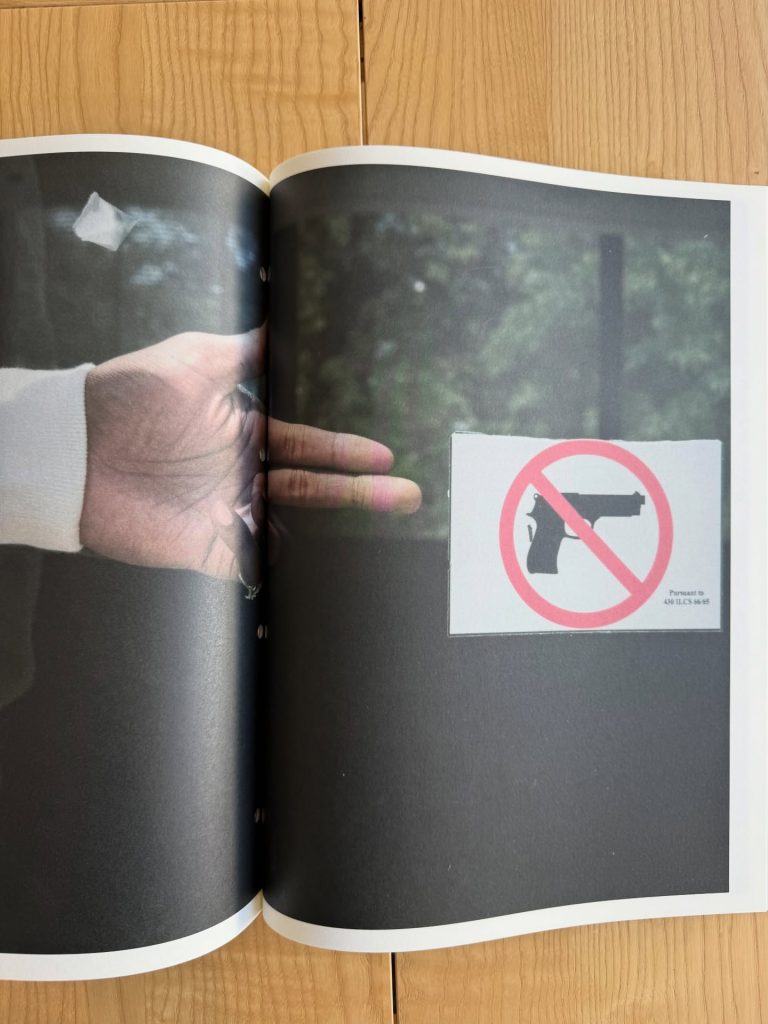
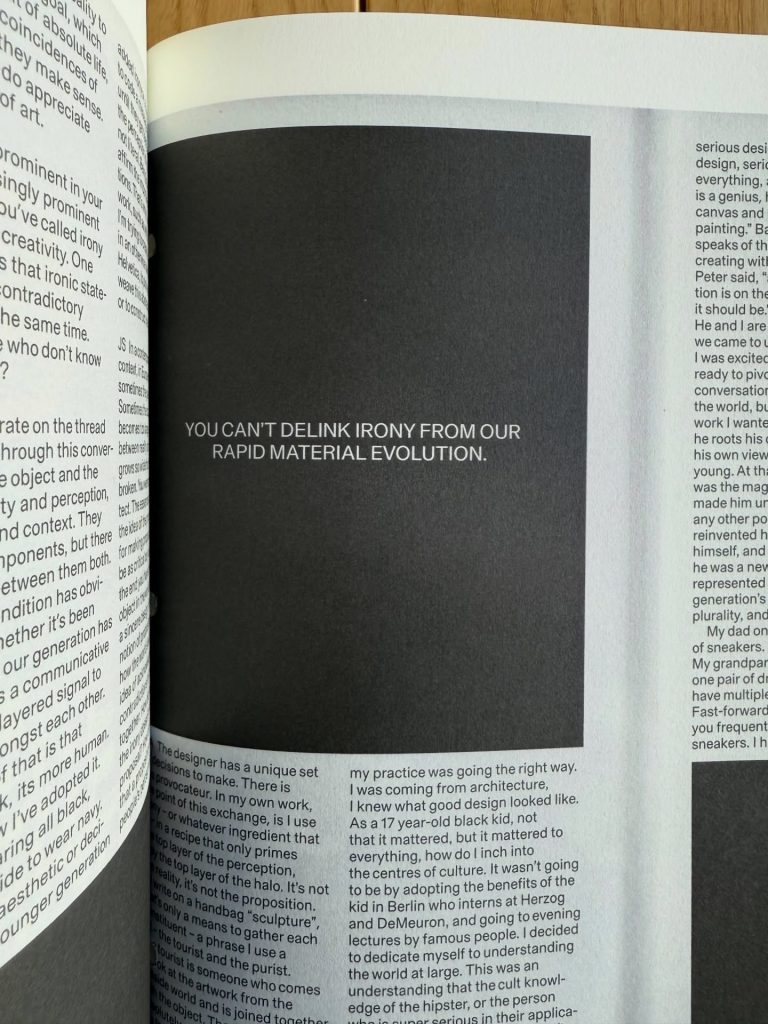
It can live on a studio shelf for years. It can be underlined, dog-eared, photocopied or passed between students and collaborators. Notes accumulate in the margins, gradually turning the book into a record of how people engage with the ideas inside it. In this sense, print becomes a slower form of open source.
Updates happen through new volumes rather than silent edits. Readers add their own interpretations through annotations, conversations and projects that grow from the material. For designers and educators, that makes the Reader feel less like a finished artefact and more like a working reference.
A creative manual for the next generation
It would have been easy for the Virgil Abloh Archive to produce a retrospective celebrating his influence. Instead, The Virgil Reader Vol. 001 feels like an invitation. An invitation to examine how Abloh thought about culture, references and authorship. To trace the ideas that shaped his work. And to use those ideas as starting points for something new.
For studios, educators and young creatives, the book has the potential to function as a teaching tool, a studio reference or even the foundation for new conversations about remix culture and interdisciplinary design.
Ultimately, the Reader does something quite simple: it treats creative knowledge as something that should circulate. And in doing so, it continues one of Virgil Abloh’s most important ideas: that culture moves forward when the process itself becomes shared.

marcroy@peopleofprint.com
- The Virgil Reader Vol. 001: Virgil Abloh’s Legacy as an Open-Source Tool - March 10, 2026
- City Series #002: Amesbury, Massachusetts with Carl Unger of Harsh Realm and Monotype - March 9, 2026
- How Creatives Shut Off From Work - March 4, 2026
Discover more from People of Print
Subscribe to get the latest posts sent to your email.