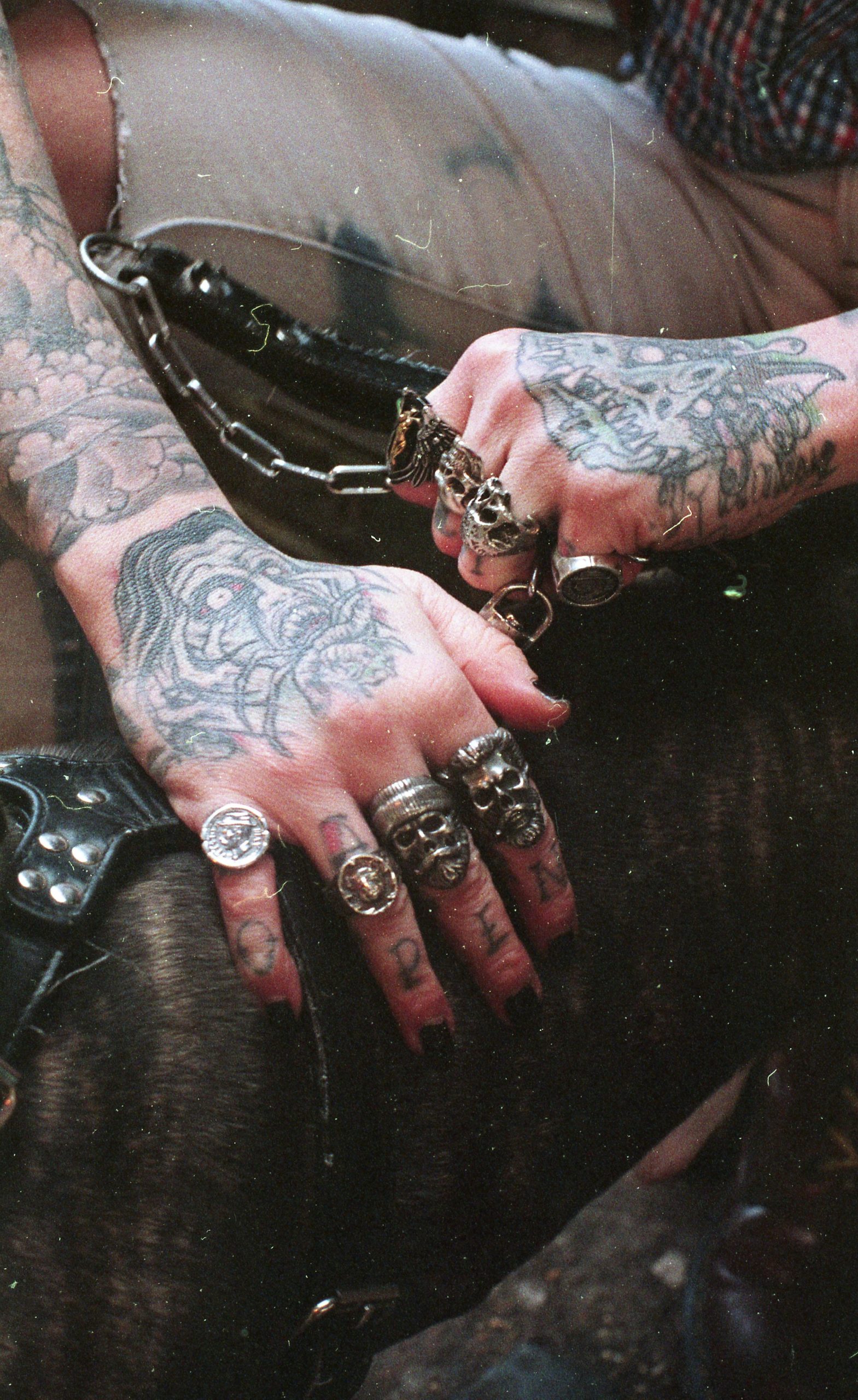
London-based photographer Elle Godfree continues her long-term exploration of British youth subcultures with SCRAP 2026, an ongoing photographic project examining the contemporary skinhead scene and its evolving identity within working-class culture.
Working entirely with analogue photography, Godfree documents communities connected to the skinhead movement across locations such as Camden and Essex. Shot on 35mm and medium format film using Pentax and Hasselblad cameras, the images are developed and printed by hand in the darkroom, resulting in tactile black-and-white and colour prints that echo the traditions of classic documentary photography.
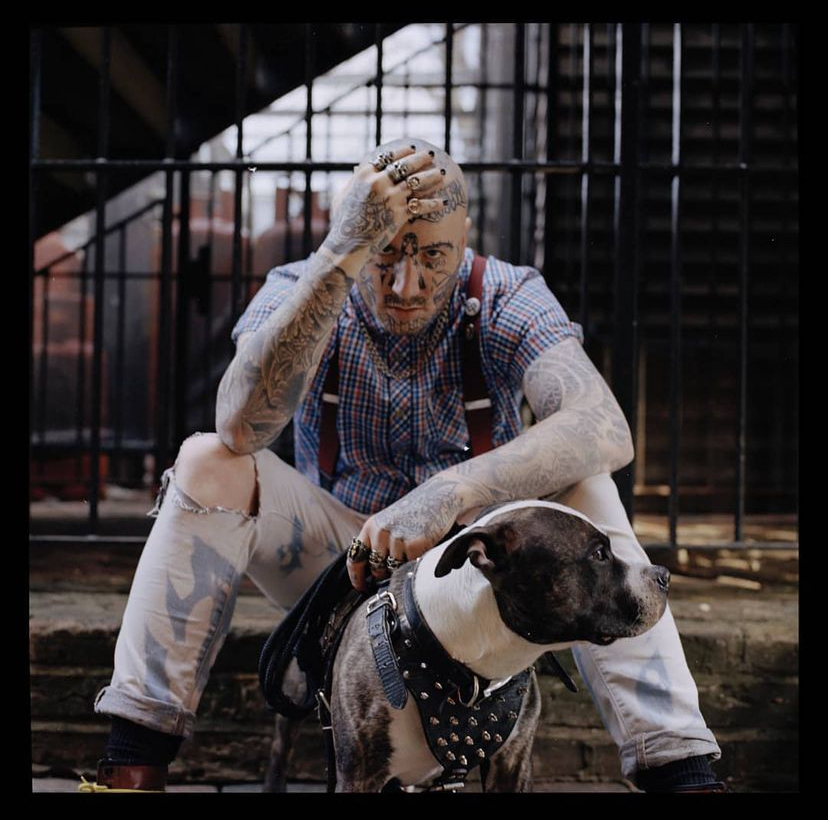
The project builds on Godfree’s earlier publication UK SKINS, a zine released in 2019 alongside a group exhibition at Free Range Gallery in London. In the years since, she has expanded the work through video, graphic design and printmaking, revisiting the subject to consider how the culture continues to shift in response to contemporary influences.
SCRAP asks difficult questions about identity, representation and the way working-class communities are portrayed in media and popular culture. The skinhead movement, now more than fifty years old, remains a visible part of youth culture in Britain and internationally, yet it is often misunderstood or reduced to stereotypes.
“For many people, skinhead culture is immediately associated with politics or extremism,” Godfree says. “But for a lot of the people I photograph, it’s about music, fashion, community and rebellion. There are still many individuals trying to reclaim the culture’s anti-fascist roots.”

Her approach is informed by a lineage of British documentary photography, drawing inspiration from photographers such as Derek Ridgers, Gavin Watson, Spencer Murphy and Kes Glosier. At the same time, Godfree is interested in highlighting voices that have historically been underrepresented.
“Female street and documentary photographers often receive far less visibility,” she explains. “There are many women documenting subcultures today, and their perspectives are incredibly important.”
Godfree also reflects on how the working class has long been framed within photography through narratives of hardship or marginalisation. Projects like SCRAP attempt to move beyond those limited portrayals by engaging directly with the communities themselves.

“Working-class people have often been photographed as subjects of poverty or struggle,” she says. “I’m interested in documenting the complexity of identity within these communities and how subcultures grow, adapt and reinterpret tradition.”
Alongside her independent practice, Godfree works with The Blokhouse Studio CIC in Southend-on-Sea, where she helps run the black-and-white darkroom and continues to develop her photography, zines and printed works.

Artist Links
Instagram