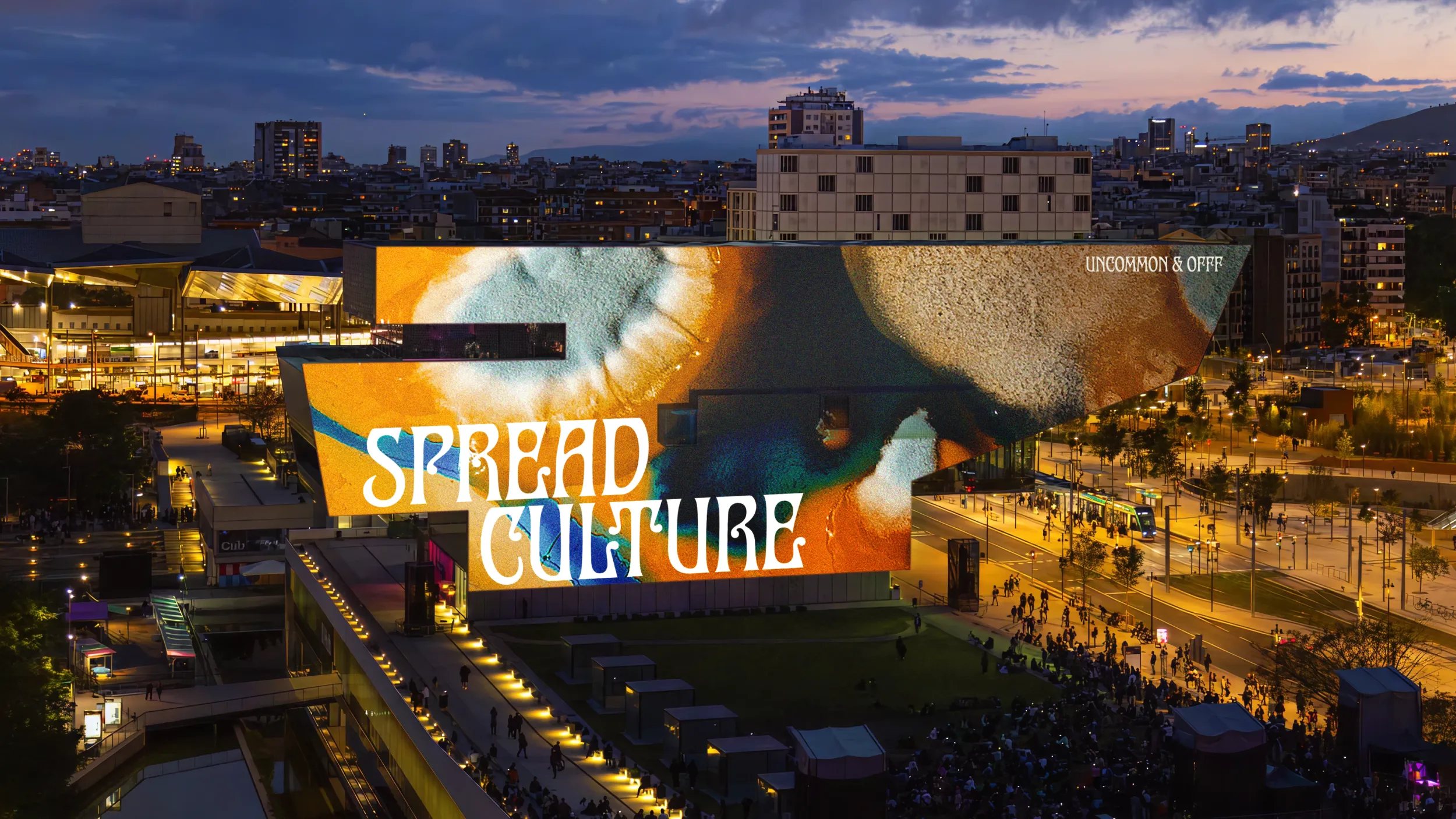
Returning to OFFF Festival always feels a bit like stepping into a parallel version of the creative industry, where everyone is slightly more open, a bit more curious, and a lot more willing to show their work.
Held at the Disseny Hub Barcelona, this year’s edition ran across three packed days in April, bringing together a global mix of studios, artists and thinkers working across motion, branding, photography, experiential design and everything in between.
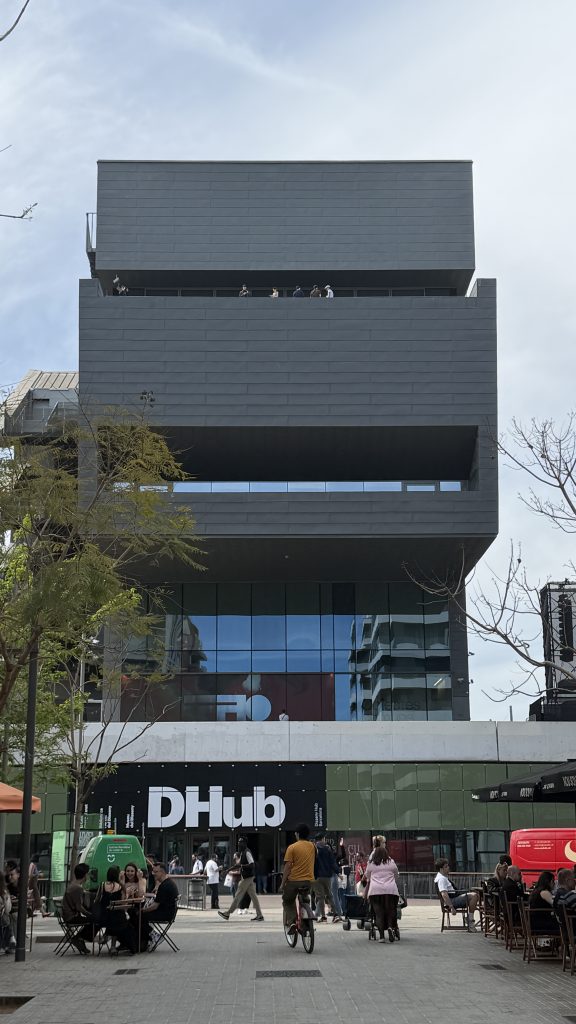

As our third year here if felt like we knew the area and what we were doing… Talks, workshops, installations, a design market, and the inevitable sun-soaked conversations outside. We were ready for it! The lineup spanned large-scale experiential studios like Moment Factory and teamLab, through to individual practitioners such as Reuben Wu and Paloma Rincón, each bringing a very different perspective on what contemporary image-making looks like.
One moment you’re deep in technical breakdowns of large-scale installations, the next you’re looking at highly personal, almost diaristic work.


If there was a common thread running through the weekend, it was a shift away from presenting finished work as the endpoint.
Instead, many speakers leaned into process: early iterations, failed directions, internal tensions, and the realities of collaboration. It aligns with what OFFF has always positioned itself as, a place to “pull back the curtain” on how work actually gets made.
With tools becoming more accessible and outputs more condensed, the value isn’t just in what you make, but how you think, how you decide, and how you navigate constraints.
Before even getting into the talks, the festival’s identity set the stage.
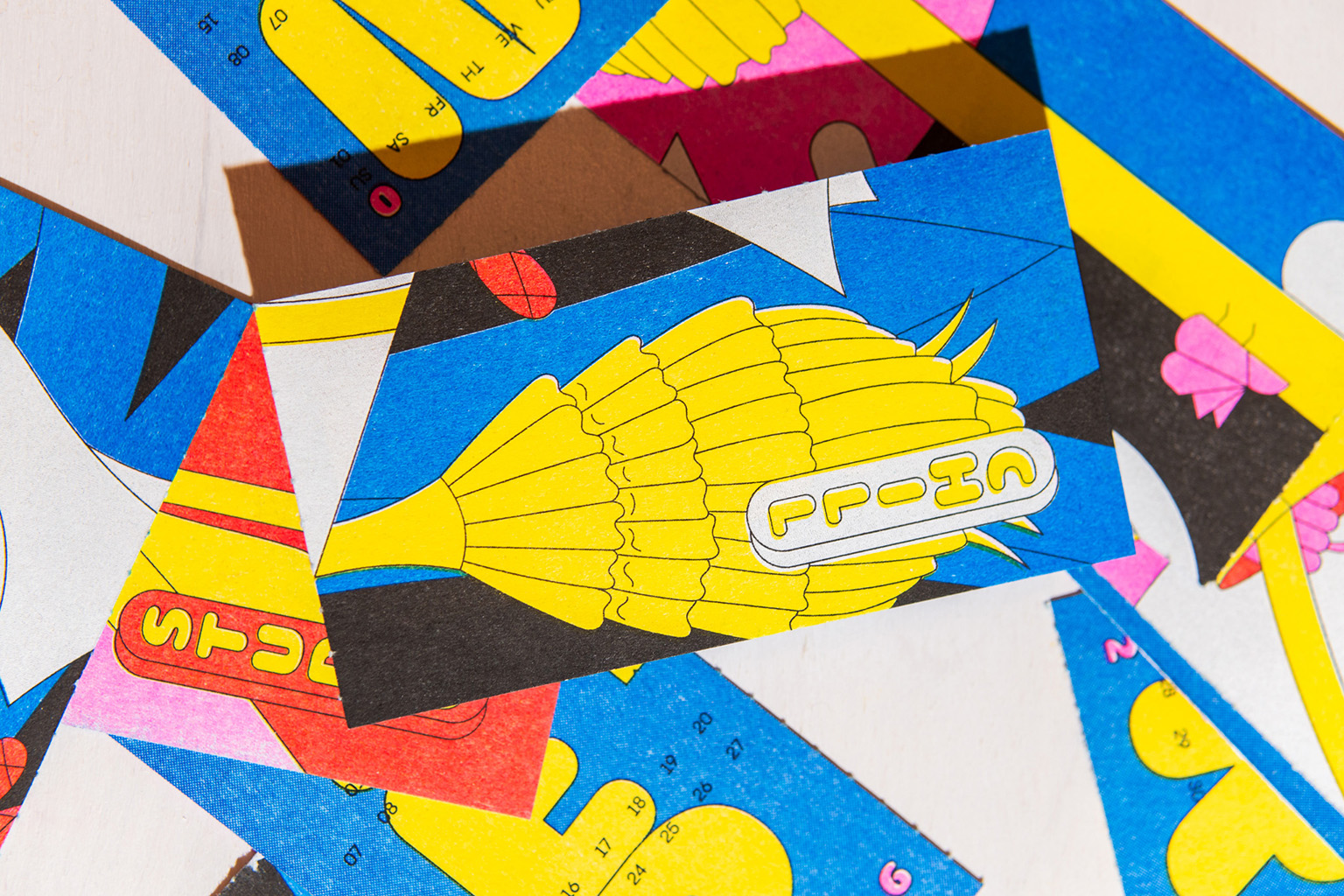
This year’s visual system, developed by Uncommon Studio, wasn’t just conceptual; it was literal. Built from bacteria and physical samples gathered from the community itself, the identity framed creativity as something grown rather than designed.
It’s the kind of idea that feels very OFFF: slightly absurd on paper, but completely convincing in execution. A beautiful example of how tactility and narrative still cut through digital output.
Opening the festival, Nils Leonard delivered something that felt less like a presentation and more like a provocation.
His central message, ‘no one stole your idea, you just took too long‘, blasted through the usual industry anxieties. The emphasis wasn’t on originality as something precious and fragile, but on speed, instinct, and the ability to move.
Something we kept hearing across different talks: with AI and everyone pulling from the same references, it really comes down to taste.


JKR presented us with “10 Principles”
1. Question everything
Don’t accept briefs, formats, or traditions blindly.
Better question: “Why not?”
2. Hunt the opportunity
The real opportunity is often not in the brief.
Sometimes it’s tiny (a label), sometimes massive (a global event).
3. Look back to look forward
The past is a goldmine, but not a template.
Use it as raw material, not a constraint.
4. It’s all about the idea
If you can’t explain it simply (like to your mum), it’s not strong enough.
5. Trust your gut
Not for awards, not for clients, for the brand.
Good work often feels risky.
6. Have a point
One clear takeaway.
If people remember nothing, they remember this.
7. Tell better stories
Humans connect through narrative, not assets or layouts.
8. Find the joy
Creative work is a privilege. Use it to make things that feel alive.
9. Celebrate wins
Big or small, otherwise you burn out and move on too fast.
10. Demand more
From yourself, your team, and the industry.
Also: be less toxic, more constructive.
But at the end of the day, 10 is too many. You won’t remember 10. So pick ONE and actually use it.
Stockholm Design Lab proved that in a noisy world, clarity wins. Stay tuned for our exclusive interview with CEO/Founder Björn Kusoffsky, where we dive deeper into his love for print, how he started the studio and advice for our audience.
Rueben Wu took us through his journey of different creative lives and how he tied them together. from Design shaped composition, through Music, he understood atmosphere, and by using Photography, he helped build synthesis. His key message, Don’t just capture reality, author it
Another message that kept popping up over the weekend: the tension between craft and scale, and what happens when creatives are pulled away from the thing they love doing.
FutureDeluxe captured that shift vividly, describing the move from hands-on making to leading a business:
“I just love making stuff… putting marks down. That’s what was doing it for me.”
What followed was a familiar creative arc, starting in art, drifting into design, landing in advertising, and then hitting a wall when the distance from the craft became too great. The eventual pivot back to a smaller, more hands-on studio environment felt like a reclaiming of purpose.
But growth brings its own complications. That same journey led to an unexpected role:
“How the f*** did I turn into the CEO… looking at spreadsheets, board minutes, business plans?”
Instead of becoming the stereotypical corporate leader, the takeaway was way more grounded:
You don’t scale by becoming someone else; you scale by doubling down on your values. “I realised I was never going to be that guy… I just needed to be more confident in what I already had,” he says.
Experimentation, collaboration, quality, and kindness weren’t just ideals; they were operational decisions. And when things got tough, those values mattered more than any business book.
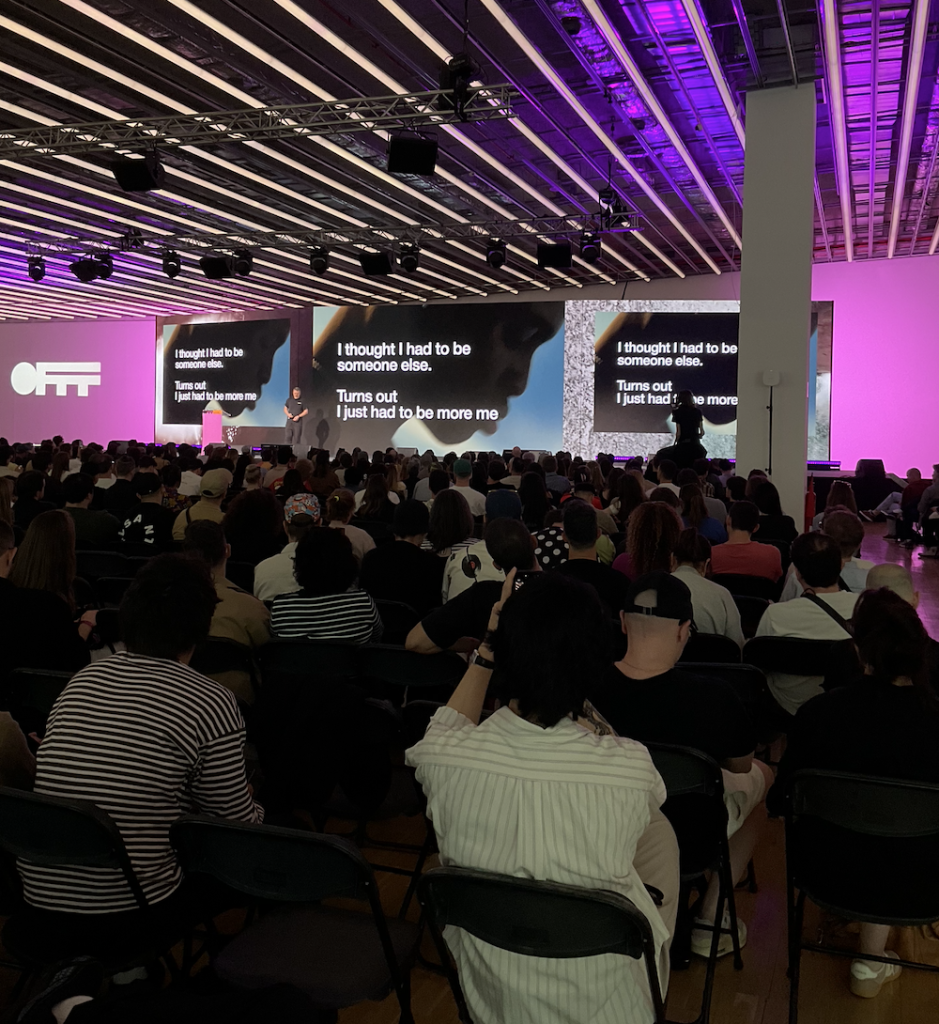
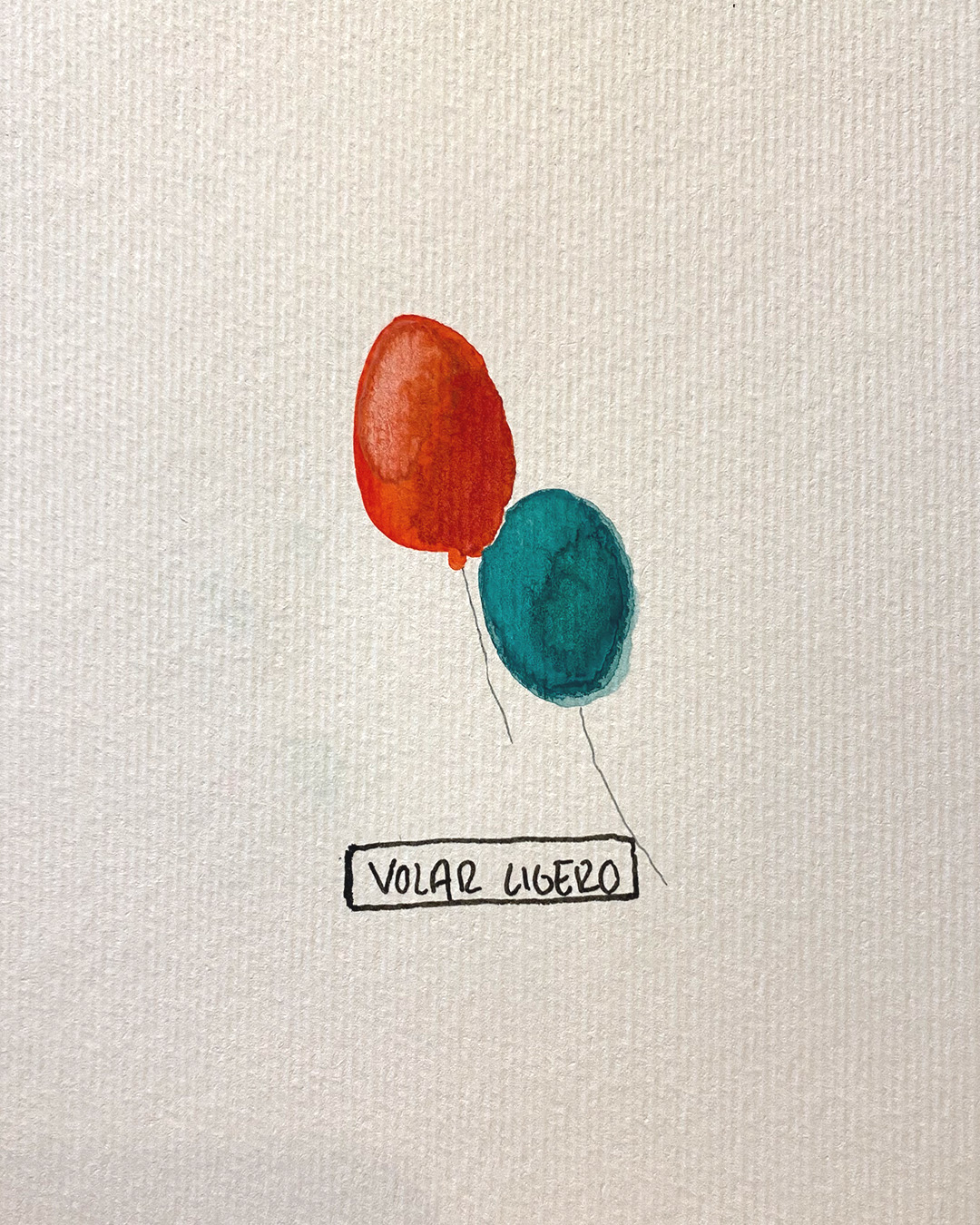
Foreal delivered a completely different, but complementary, perspective: a return to the most basic creative tool. A weekend where AI snuck in to almost every conversation, they reframed the discussion, Instead of resisting or glorifying it, they focused on something more fundamental, the sketch.
“The most human, simple, direct tool… the moment your first idea comes to life.”
It was a strong reminder that tools evolve, but taste, intuition, and persistence don’t shortcut easily.
They also shared one of the more emotional moments, in a tribute to a late friend and creative peer, someone who kept creating even through illness.
“This (OFFF) is a place where friendships begin… where stories are made.”
It emphasises that OFFF isn’t just a conference, but a shared space where lifelong friendships are made.
Outside the auditoriums, the energy continued. This year, the makers market felt bigger and better than ever, spilling out into the sun, packed with independent art, jewellery, and side projects that brought it all back to the simple joy of making.
The Adobe Café became a much-needed pit stop between talks, a place to reset, and a hub for those in-between conversations and connections that matter as much as the talks themselves.

After more than two decades, OFFF continues to dominate the creative calendar, not just a showcase of work, but as a snapshot of where the industry is at any given moment. And this year felt less about perfection and individual authorship, and more about taste, momentum, and collective influence. Reinforcing that Creativity isn’t static, it’s something we build, borrow, remix, and grow together.
If we are to round up the weekend in a few statements, it is to stay close to the craft, don’t lose yourself in growth, trust your way of working, and above all, keep making.
Because whether it’s a rough sketch, a risky idea, or a full-scale installation, the thing that matters most is still the same: make something. Then make it better.
OFFF has always been about leaving with better questions, and this year made us reflect on how we think, how we move, how we define value in a landscape that’s shifting faster than ever.
And while it’s easy to get caught up in the buzz of it all, what sticks are the smaller interactions, a sentence, a visual, a passing idea that resurfaces days/weeks later. And that is what keeps us coming back. See you next year…

marcroy@peopleofprint.com
- TASCHEN’s Biannual Sale Returns: Here Are Our Picks - August 31, 2026
- If You Feel Pain and Danger Beneath It, That Is Equally True: Scarlett Yang’s Her Feast - August 20, 2026
- Nils Leonard on Craft, Culture, and Why Print Still Matters - April 28, 2026