
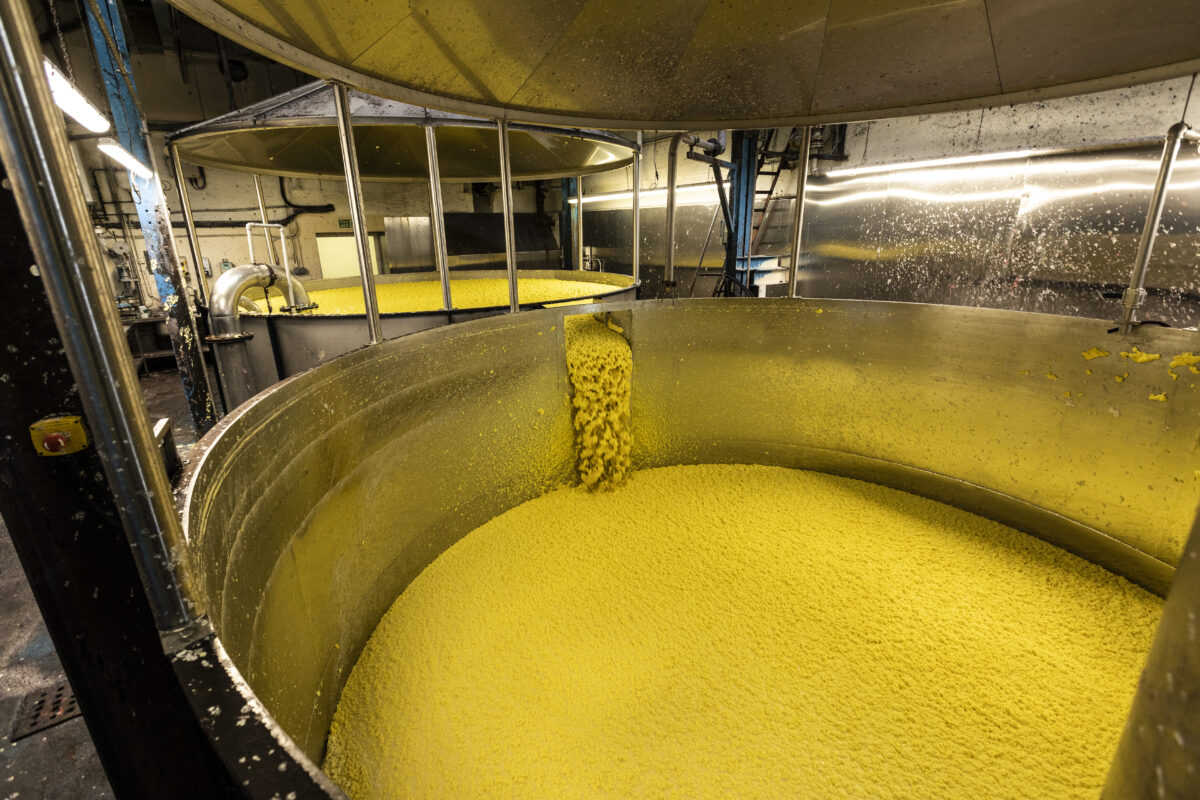
Tucked into the landscape of the Lake District, just outside Kendal, sits something extraordinary.
James Cropper has been making paper here since 1845, on the same site, powered by the same surrounding environment, and driven by the same obsession with craft, colour, and innovation.
And once a month, they open the doors.
This isn’t a polished showroom experience. It’s something far more interesting.
A visit to the Burneside mill is a chance to step inside a living, working production space, where paper isn’t just a product, but a process in motion.
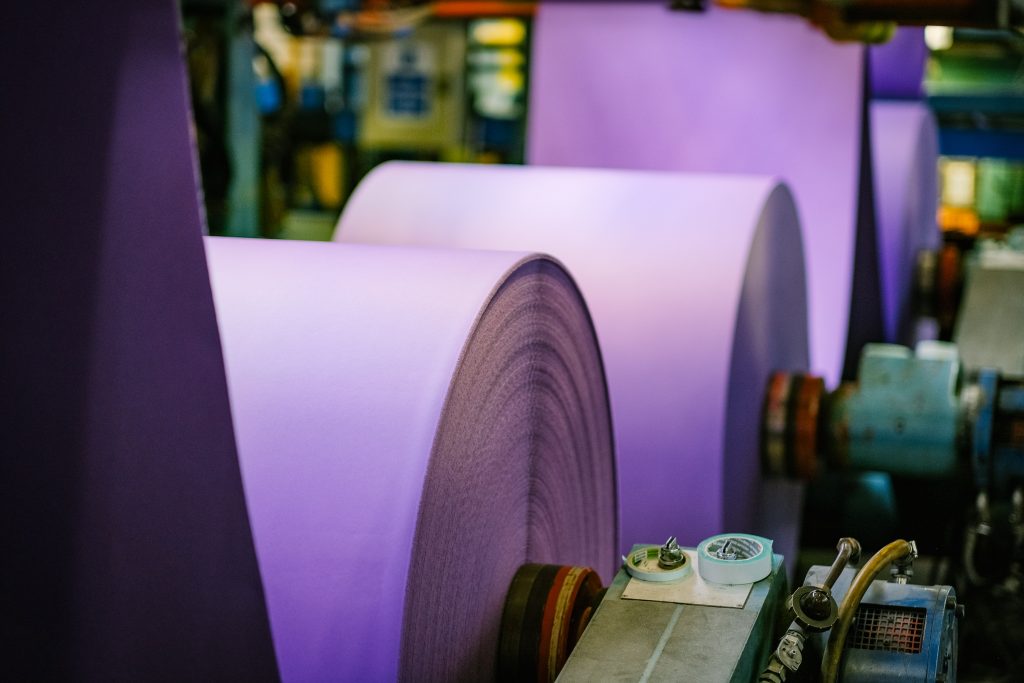
Expect to hear the sound of machinery running at full scale, feel the heat and humidity of pulp turning into paper, see the colour, vivid dyes being mixed directly into fibre, experience the scale, vats, rollers and reels far bigger than you imagine.
It’s immersive in the truest sense. As one visitor put it, the experience is defined by “the noise, the smells (and the mess)”

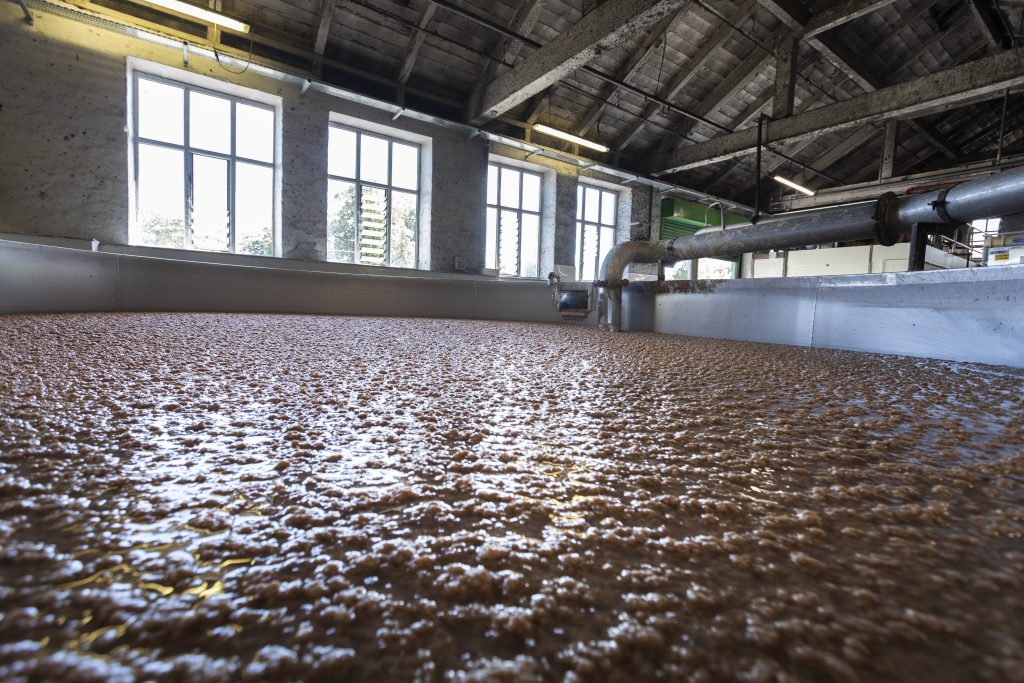
One of the most striking parts of the visit is understanding just how elemental paper-making really is.
Water from the nearby River Kent plays a central role in the process, used in huge volumes and carefully treated before being returned just as clean.
From there, pulp is mixed, dyed, pressed and dried, eventually becoming the paper many of us specify, print on or obsess over daily.
Seeing that transformation, from liquid pulp to perfectly finished sheet, changes how you think about paper entirely.

180 Years of Craft (and Counting)
What makes the experience even more powerful is the history behind it.
James Cropper isn’t just any paper mill. It’s a sixth-generation, family-run business that has spent nearly two centuries refining its craft and pushing material innovation forward.
From producing some of the world’s earliest coloured papers to developing materials for luxury packaging and sustainable applications, the company has continually evolved while staying rooted in its origins.
That sense of continuity is something you feel on-site, in the buildings, the people and the processes that have been passed down and reimagined over generations.

Why You Should Go, Even If You’re Not “Into Paper”, you don’t need to be a paper nerd to get something out of this.
Yes, if you’re a designer, printer or maker, it’s invaluable. It gives context to materials you use every day and deepens your understanding of what’s actually possible.
But beyond that, it’s about seeing how things are made properly. Understanding the relationship between material, process and place, and experiencing a working environment where craft meets industry.
It’s rare to witness production at this scale, especially in a setting as considered and environmentally aware as this one.
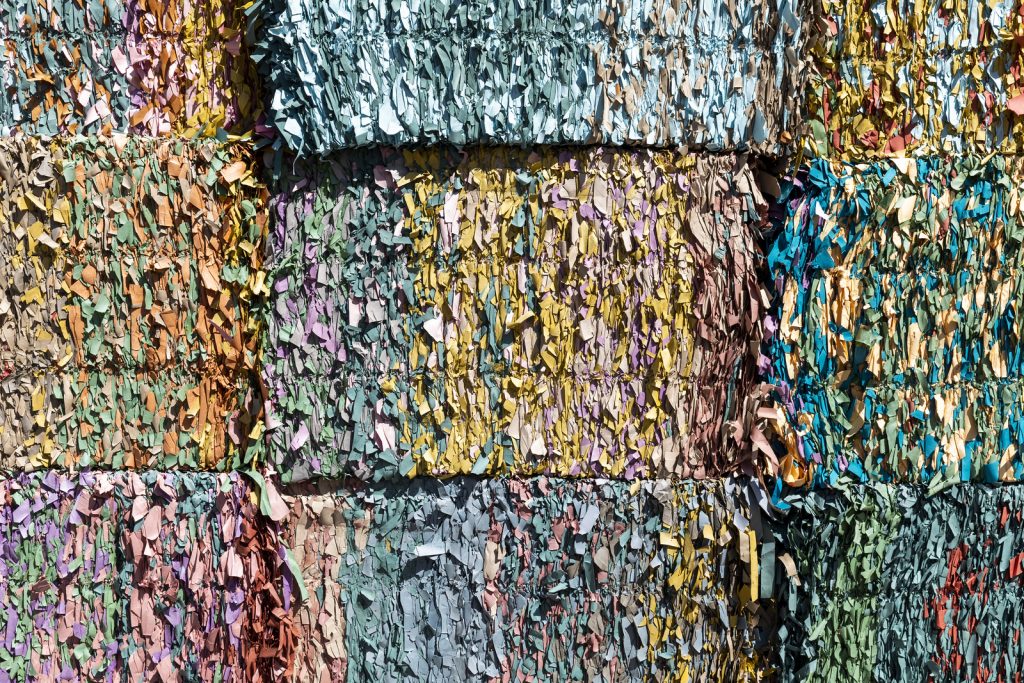
Visiting is a different kind of creative pilgrimage. It feels grounding, it reconnects you with the physical side of creativity, the part that involves weight, texture, imperfection and process.
And that’s exactly why these tours matter. They’re not just about paper, they’re about perspective.
Plan Your Visit
Monthly tours at James Cropper offer a rare chance to explore one of the UK’s most important paper-making sites from the inside.
Whether you’re specifying materials every day or simply curious about how things are made, it’s a visit that stays with you.
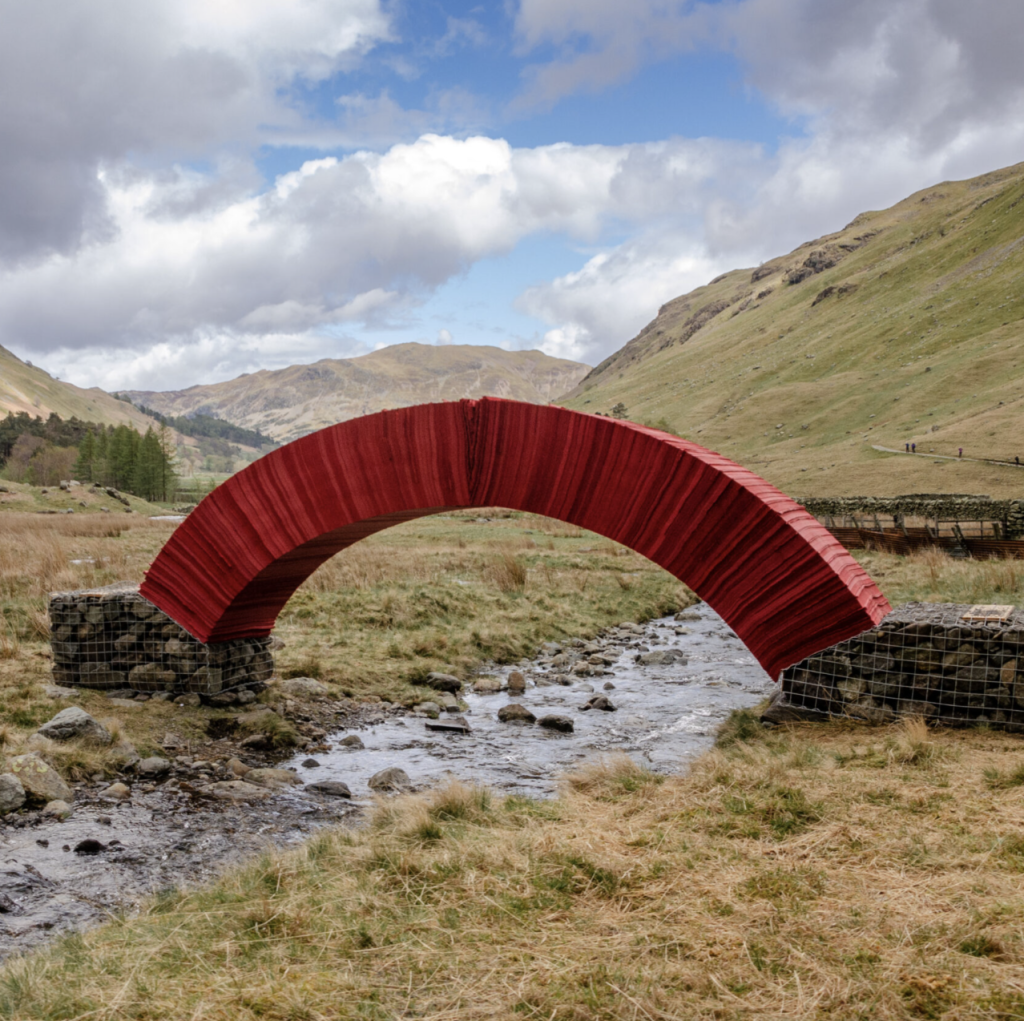
Top 5 Things You’ll Notice
1. The Scale
Everything is bigger than you expect, from the vats of pulp to the towering paper reels. It quickly reframes your understanding of what goes into a single sheet.
2. The Colour
Pigments aren’t applied on top, they’re embedded into the paper. Seeing colour mixed at source is unexpectedly satisfying.
3. The Soundtrack
It’s loud. Machines hum, clatter and roll continuously, a reminder that paper-making is as industrial as it is beautiful.
4. The Water
Water flows through every stage of the process. It’s essential, carefully managed and deeply connected to the mill’s location.
5. The Craft Behind the Process
Despite the scale, there’s a human touch everywhere, decisions, adjustments and expertise guiding each stage.
Enquire about the next tour here
Tours are FREE and subject to availability

Want to know more about our membership? Give us an email at members@peopleofprint.com.


