Insights from People of Print member Maxim Print
It’s often the finishing touches that make people stop, pick something up, and take a second look.
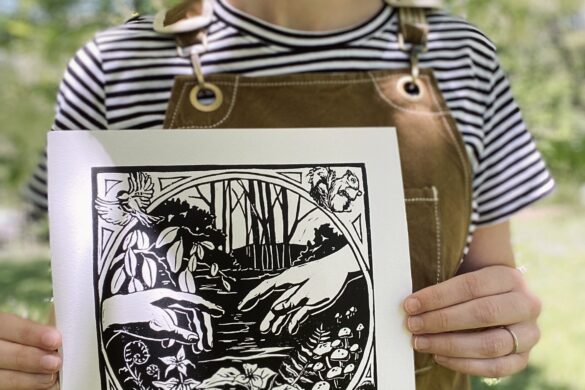
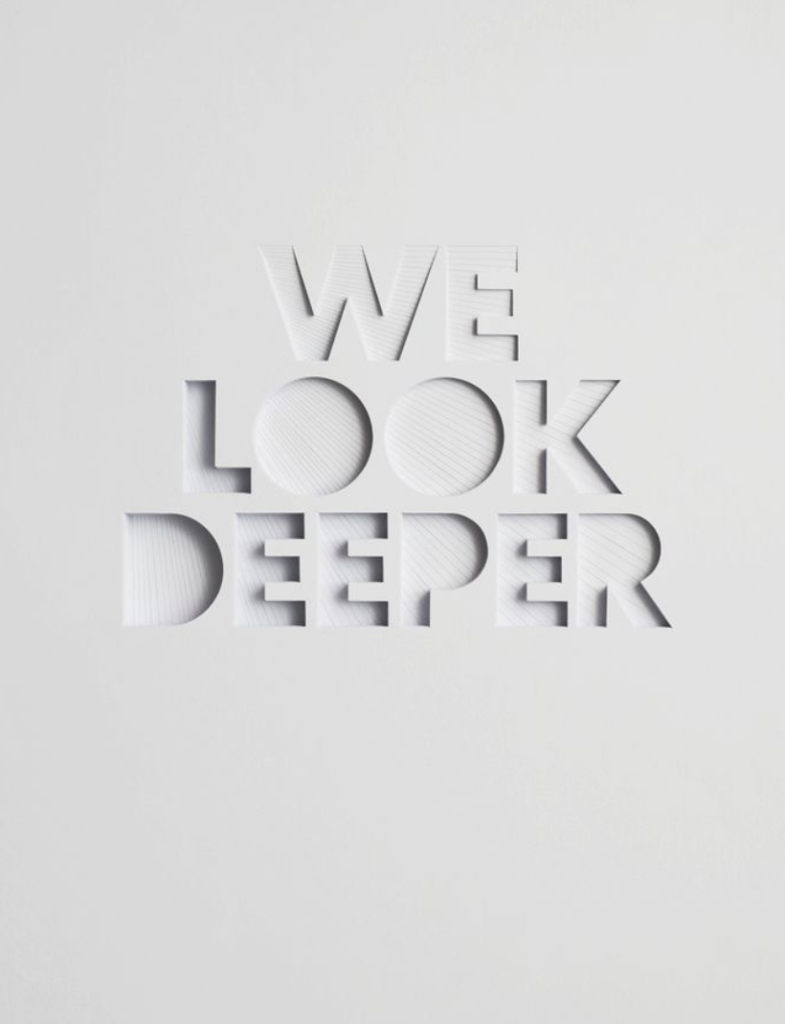
A sharp edge, a precise cut, a surface that’s been etched, engraved, or sculpted into something unexpected.
At Maxim Print, they’ve always believed that print shouldn’t just be seen, it should be experienced. That’s why they’ve recently expanded their in-house capabilities with both a digital die cutter and an xTool P2S 55W Desktop Laser Cutter, opening up new creative possibilities for the projects we produce.
But beyond the machines themselves, it’s really about what they allow them, and the designers they work with, to do.

Why Cutting Matters in Print
Die cutting has long been a staple of print finishing, but it’s having a bit of a moment again.
A well-executed die cut can:
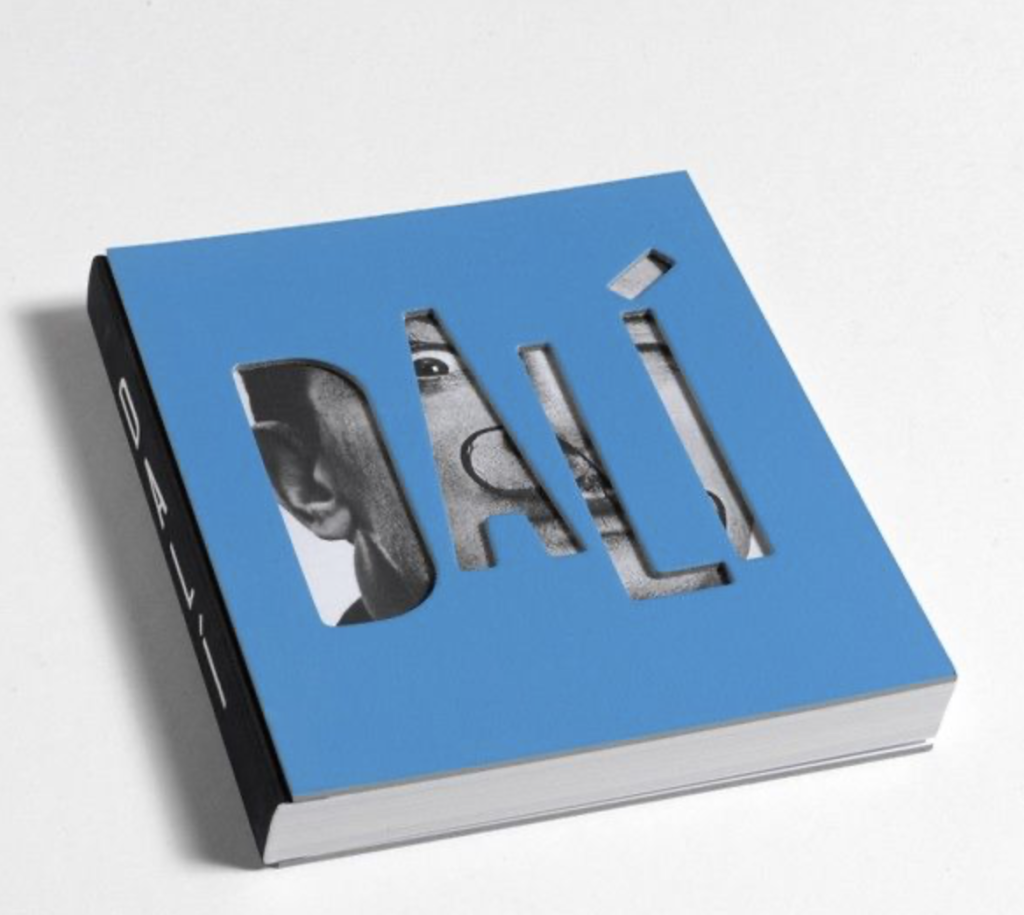
Transform flat print into something sculptural
Guide how a piece is handled or opened
Reveal layers, textures or hidden details
Add a sense of precision and craft
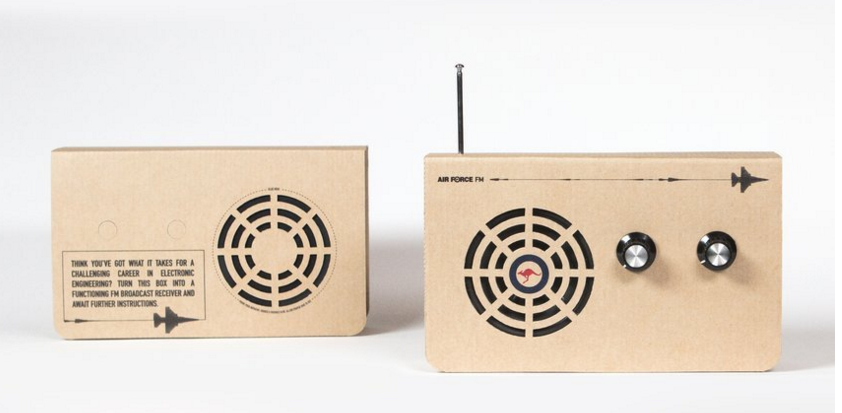
From bespoke packaging and presentation boxes to intricate inserts and branded collateral, die cutting adds a tactile dimension that digital simply can’t replicate.
Digital Die Cutting: Speed Meets Flexibility
Traditionally, die cutting required the creation of physical dies, which can be time-consuming and costly, especially for short runs or one-off projects.
Maxim’s new digital die cutter changes that.
By removing the need for physical tooling, they’re able to:
Produce short runs and prototypes quickly
Test ideas before committing to larger production
Handle complex, intricate shapes with precision
Reduce setup time and material waste
For agencies and designers working to tight deadlines (or experimenting with bold ideas), this flexibility is a game-changer.
Laser Cutting: Precision, Detail, and New Materials
Alongside digital die cutting, Maxim’s xTool P2S laser cutter brings a whole different layer of possibilities.
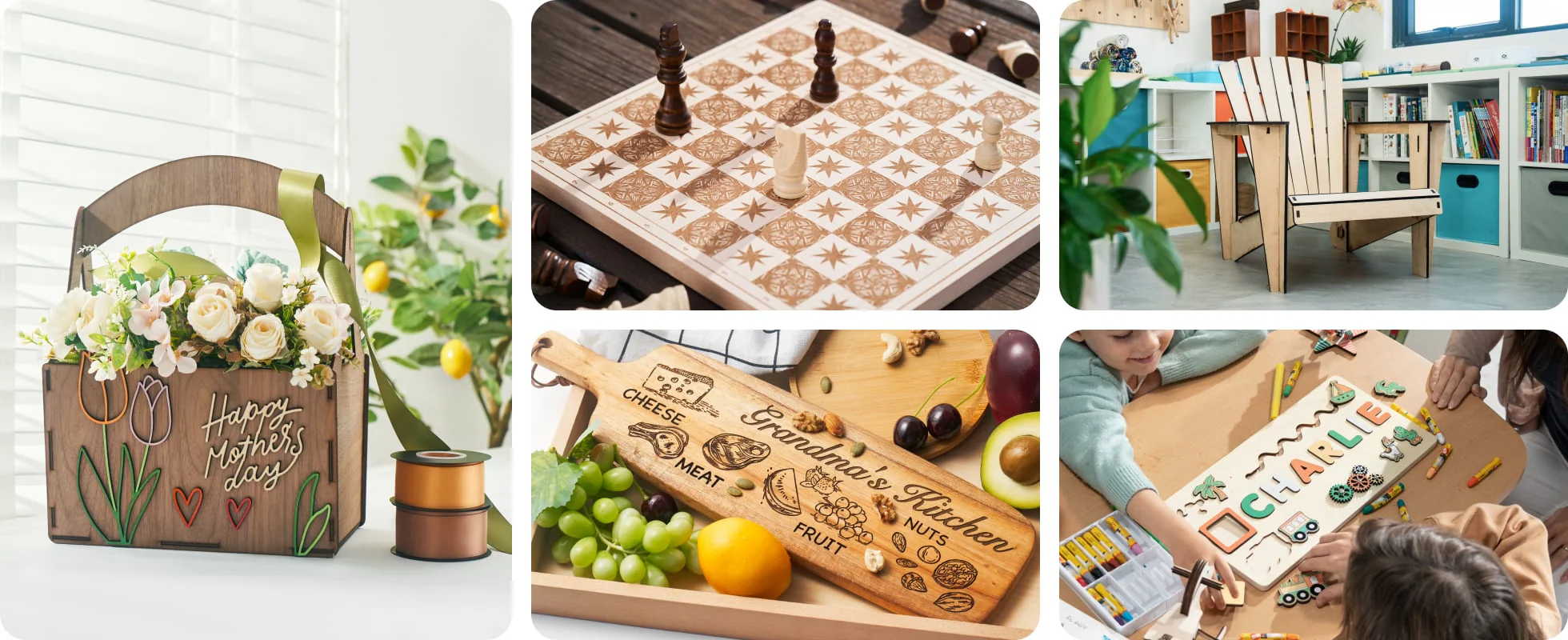
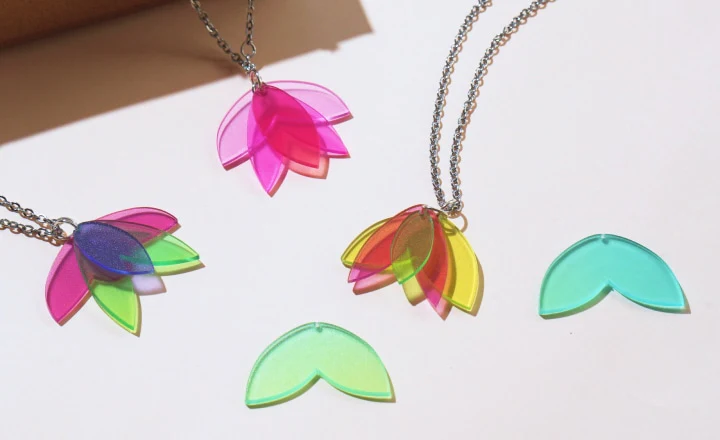
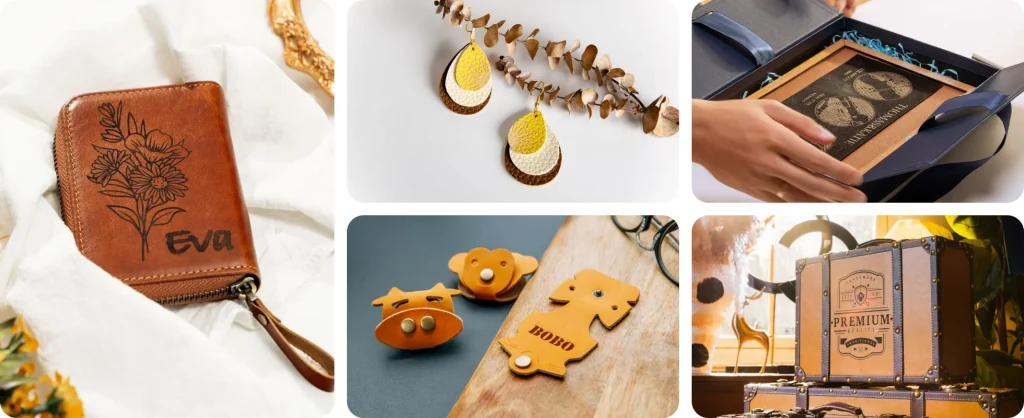
Laser cutting allows us to go beyond paper and board, working with materials like:
Acrylic
Wood
Leather
Card and paper
As well as cutting, they can also engrave and etch, opening up opportunities for detailed surface design and subtle branding.
This means they’re not just producing printed pieces, but hybrid objects that sit somewhere between print, product, and installation.
From Concept to Reality, All In-House
One of the biggest advantages of bringing these capabilities in-house is speed.
When design, print and finishing happen under one roof, projects move faster and more smoothly. There’s more room to experiment, refine and adapt, without the delays that can come from outsourcing different stages of production.
It also means they can collaborate more closely with creatives, helping translate ideas into something that works not just visually, but physically.
Sometimes that’s about pushing boundaries. Sometimes it’s about finding a smarter, more efficient way to achieve the same result.

As print continues to evolve, we’re seeing a shift towards work that feels more considered, more interactive and more memorable.
Die cutting and laser cutting are a big part of that. They allow print to move beyond the flat surface, into something layered, dimensional, and engaging. Something people want to pick up, keep, and explore.
For Maxim, investing in these tools isn’t just about new machinery. It’s about expanding what print can be.
Want to Make Something Interesting?
Whether it’s a complex packaging concept, a short-run prototype or something a little more experimental, Maxim are always up for a challenge!
Want to know more about our membership? Give us an email at members@peopleofprint.com.
- Order From Pattern, Disorder From Chance: Sun Möller-Park’s Ready, Set, Fuse – Pt. 2 - October 5, 2026
- Hidden in Plain Sight: Kidnichols and the Making of Mountain Moves - October 5, 2026
- The Quiet Work of Ritual: Garden Party Magazine, Issue 03 - October 5, 2026