
Curtis Packaging has become the first printer in the US to embed invisible security features directly into luxury packaging during the printing process, through a certification programme from Koenig & Bauer’s Vision & Protection system. What this means for packaging design is more interesting than it might first appear.
Most conversations about print security happen in the background, in boardrooms and procurement meetings where the words “brand protection” and “anti-counterfeiting” are used and designers are rarely invited. But the technology behind a new certification just awarded to Curtis Packaging, one of the US’s most respected luxury packaging manufacturers, is worth paying attention to, because it changes what the surface of a printed package can do without changing how it looks.
The system is called cp3, Certified Protected Print Provider, developed by Koenig & Bauer’s Vision & Protection division. What it enables is this: during the printing process itself, invisible data is embedded directly into the printed artwork or varnish. The codes, logos or information cannot be seen by the naked eye, even under strong magnification, and they do not affect the original design in any way. But point a smartphone at the packaging, a mobile app decodes the information hidden in the print and verifies the product’s authenticity instantly.
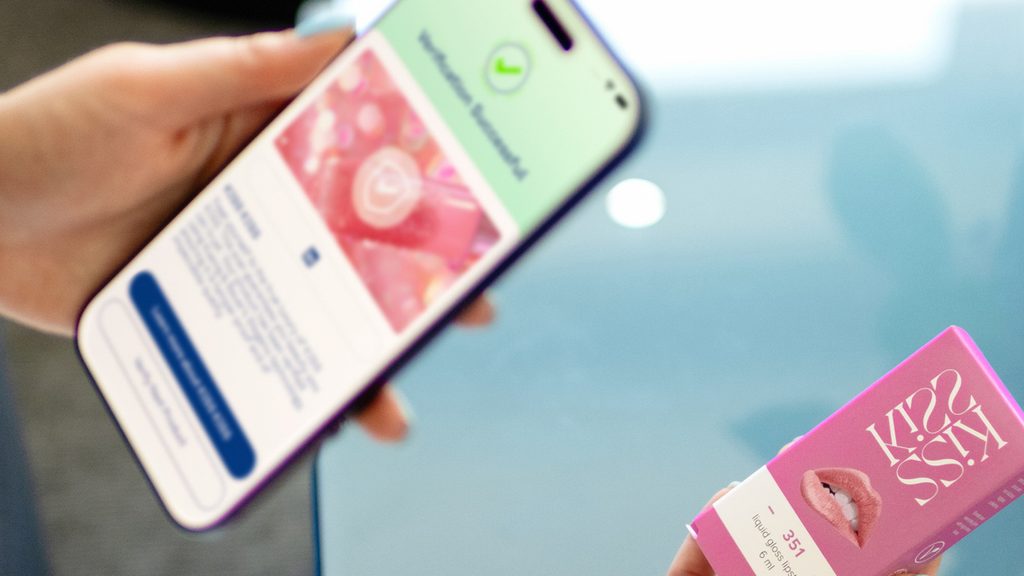
The technology behind this is called Stegano. It works by incorporating a secured layer of information into the visual representation of the packaging, embedded within the printed image rather than added on top of it. The information is invisible to anyone looking at the box, bag or carton. It is legible only to the app and only to users who have been granted access by the brand owner.
Why this matters for designers
For those working in packaging design, the implications are significant in a quiet way. The protection is embedded at prepress stage, which means the decisions that enable it are design decisions. Where the secured layer sits, what it contains, how it interacts with the artwork: these are questions that involve the designer as much as the printer or the brand team.
More broadly, it represents a direction of travel that print is moving in across multiple sectors: the physical object becoming a data carrier, the surface of the printed piece containing information that goes far beyond what can be read with eyes alone. The luxury packaging market has been the early adopter here because the counterfeiting problem is most acute at the premium end of the market, where a replicated package can carry enormous financial and reputational consequences for a brand. However, the underlying technology is very scalable.
Curtis Packaging has worked with Koenig & Bauer for thirty years. The cp3 certification confirms their proven expertise in product protection and their ability to offer what the industry considers its leading protection solution. Their COO Kerry Brown described the programme as enabling “holistic direct protection solutions” for brand owners, a phrase that gestures at something the industry has been reaching toward for a long time: packaging that is simultaneously beautiful, functional and verifiably authentic, all without any visible compromise to the design.
What it looks like on the shelf
The answer, by design, is: exactly the same as it always did. The KissKiss lip gloss packaging in the image above looks like impeccably produced luxury cosmetics packaging. The print quality is what you would expect from a facility operating at Curtis’s level. Nothing about it signals that scanning it would return authentication data, trace it through a supply chain, or allow a consumer to verify that what they are holding is genuine.
That invisibility is the point. The design integrity of premium packaging has always been part of what it is selling. Technology that compromises that integrity to add a verification layer is technology that undermines the product. Technology that adds the layer without leaving a trace is something more interesting: a capability that expands what print can do without asking design to make any concessions.
The machine behind it: Koenig & Bauer Rapida 145
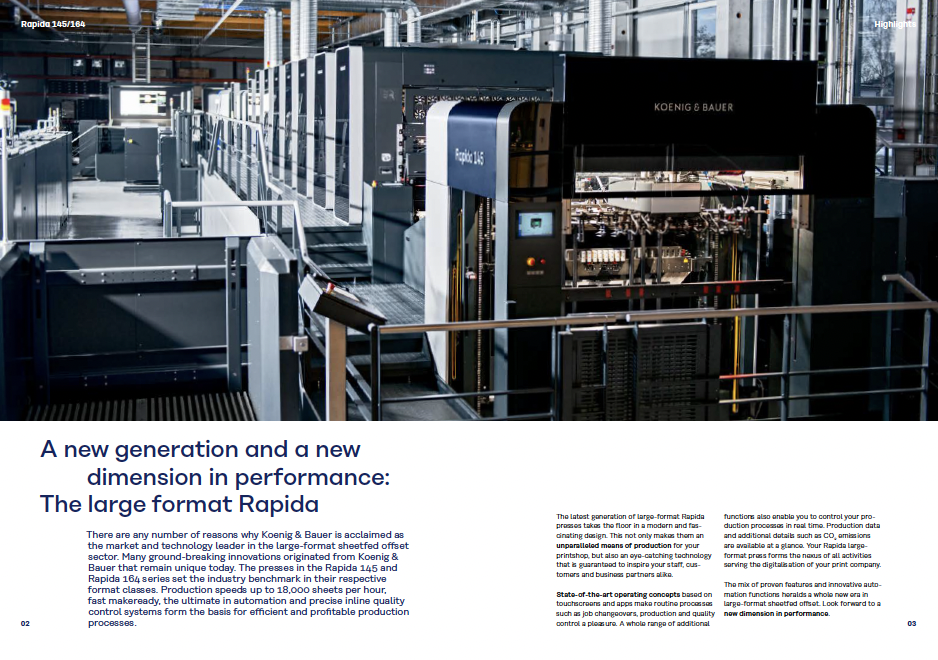
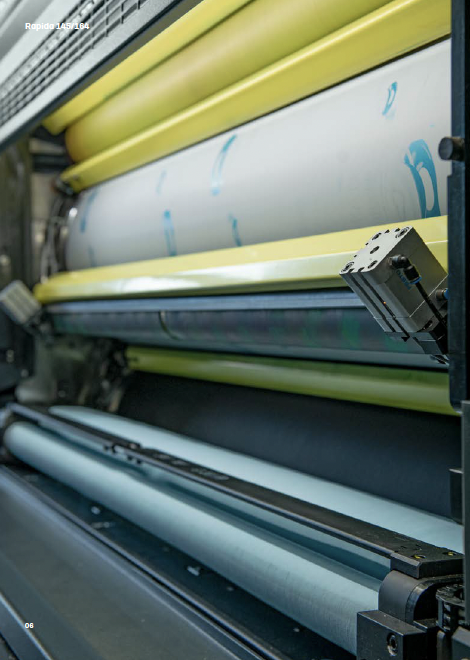
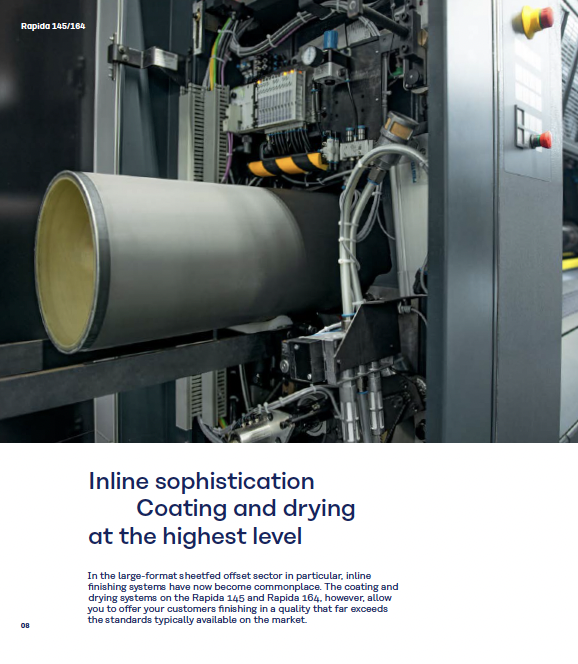
The security layer runs inline on Curtis’s custom-designed Koenig & Bauer Rapida 145. A 57-inch nine-colour press with coater, drying units and an end-of-press printing unit at their 150,000 sq ft headquarters in Sandy Hook, Connecticut. Kerry Brown, COO at Curtis, describes it plainly: “the key press on our manufacturing floor.”
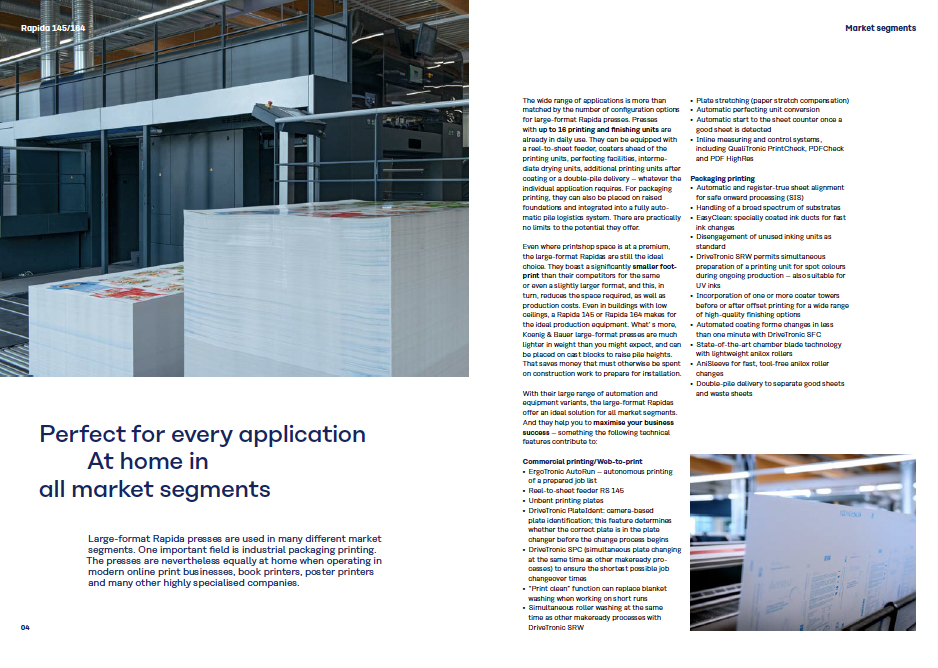
Crucially, no changes to prepress workflows are required. The Varnish protect ‘aegis’ system uses varnish plates that slot into the flexo coating unit like any standard varnish plate. No additional steps. No impact on speed or quality. The protection is embedded and printed inline with everything else. Every carton looks identical on the outside. Each one is unique on the inside.


Three technologies make this work. Stegano embeds an invisible layer of data into the printed image or varnish, readable only via a smartphone app. Ovjera works like biometric fingerprinting for packaging, identifying each printed object through its natural micro-level uniqueness. Daktylo goes deeper still, identifying the specific machines, ink characteristics and production conditions used to make each piece. Together they create a layered authentication system that lives entirely within the print itself.
Read the full announcement at koenig-bauer.com



