

Heidelberger Druckmaschinen AG is welcoming 80 new apprentices and dual-track students across Germany this month, expanding its training programmes to build the next generation of print and technology talent. The focus is on making presses smarter, production faster and print quality more consistent.
Heidelberg is one of the oldest names in print manufacturing. The company currently trains around 300 apprentices and students across Germany in 16 vocational programmes and 15 dual study programmes, and the latest intake reflects where it is heading: packaging, digital printing, and a growing portfolio of new business areas including security, energy, electric mobility and automation, developed through its HEIDELBERG Advanced Technologies subsidiary.
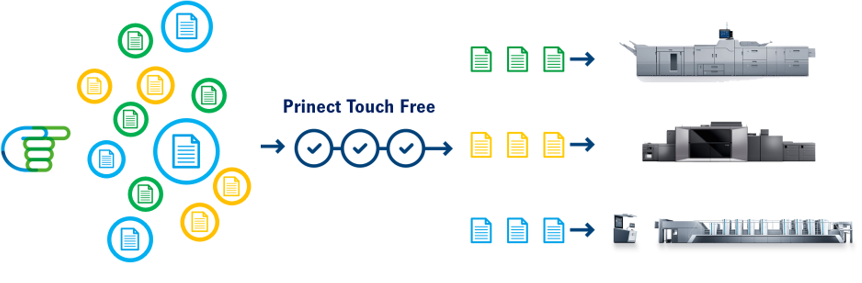
The most significant addition this year is a new dual-track degree programme in Data Science and Artificial Intelligence. It is worth being specific about what that means in this context. Heidelberg is a systems integrator: a company that connects presses, software, consumables and service into end-to-end production workflows. The AI they are developing is applied to that infrastructure. Think predictive maintenance on press equipment, automated quality control that catches colour variation mid-run, optimised job scheduling across a pressroom, data analysis that helps print service providers understand and improve their own production. None of this touches creative work. It is engineering and logistics intelligence applied to the mechanics of getting ink onto substrate reliably and efficiently.
One of the first students enrolled in the new programme, Patrick Höflein, completed an apprenticeship as an IT specialist in data and process analysis at Heidelberg before joining. “I’m thrilled that HEIDELBERG has long been using and further developing AI and is building up additional talent in this area,” he says. “With the new dual-track program, I can combine my interests and skills with concrete career prospects while helping shape the company’s future.”

The broader training philosophy is worth noting. Rather than treating apprenticeships as a pipeline for entry-level roles, Heidelberg frames them as strategic investment in the company’s future direction. “Our apprentices and dual-track students represent a major investment in HEIDELBERG’s future,” says CEO Jürgen Otto. “They help us further expand our technological leadership, tap into new business areas, and sustainably support our customers’ success.” Selection looks beyond academic grades to social skills and potential, with particular attention to how candidates engage with digitalisation.
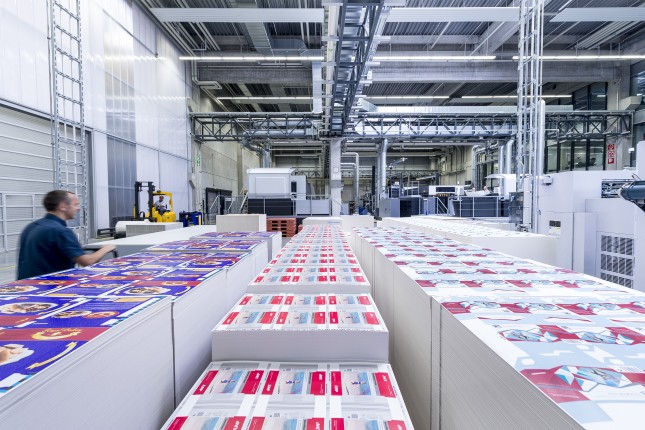
For the print community, the relevant takeaway is this: the technology driving print production forward is increasingly data-led, but the goal remains the same as it has always been… better, faster, more consistent printed output. The craft and the creativity that go into what gets printed remain entirely human.
Applications for the September 2027 intake are already open. Heidelberg also runs an Instagram account, @heidelbergerdruck_azubis, where apprentices document their own training in content they create themselves.
For more information on vocational training and career opportunities at Heidelberg, visit heidelberg.com


