
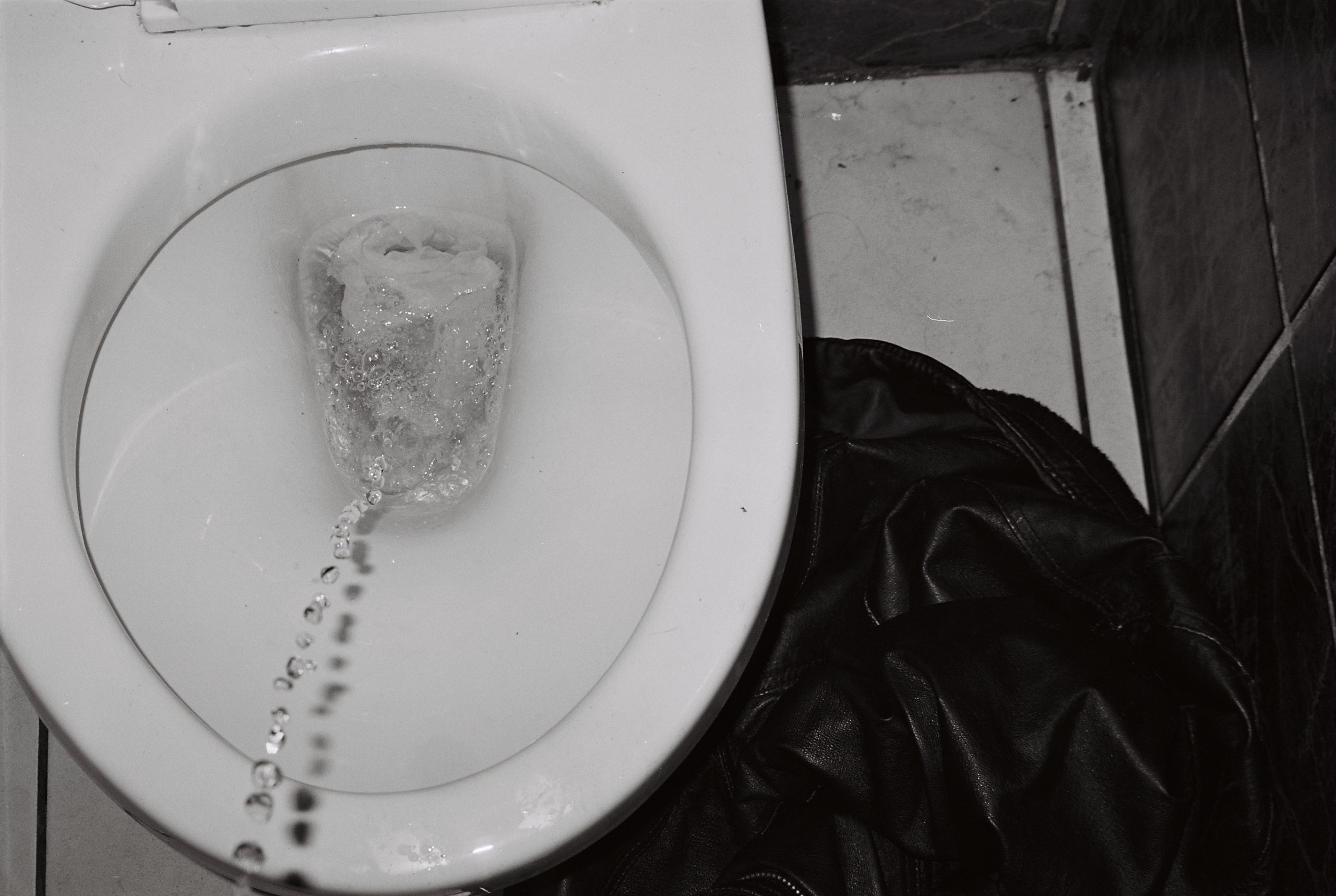
London-based artist Alfie Wright uses analogue photography to connect queer histories with queer futures, exploring cruising as sacred ritual and the subversive power of sexual deviance as an act of resistance.
The public toilet as promised land. The park at midnight as sanctuary. Alfie Wright is interested in the spaces where queer life has always found a way to exist outside of the terms offered by the mainstream, and what it means to belong in those spaces.
“Belonging takes on a new meaning in my work,” he says. “What does it mean to feel like you belong when you’re kneeling in a urine-covered public toilet?”

The question is asked without apology and without irony. It is entirely sincere.
Wright draws heavily on Robert Mapplethorpe’s unflinching documentation of the queer BDSM scene, the unapologetic expression of power, desire and sexual deviance that defined a particular moment in queer visual culture, and asks how that lineage translates into the present. Cruising, in his work, is reframed not as a relic but as a continuing sacred ritual: the cubicle an altar, the outdoor space a place of pilgrimage. Using sex and deviance to resist oppressive power is not, as Wright positions it, a historical phenomenon. It is ongoing.
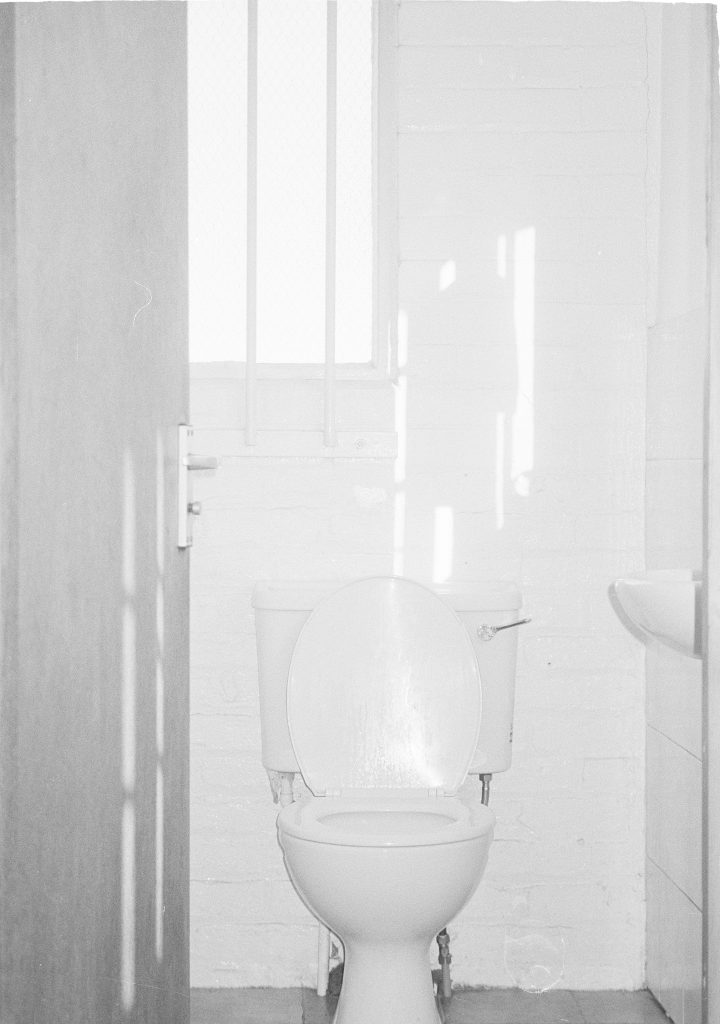
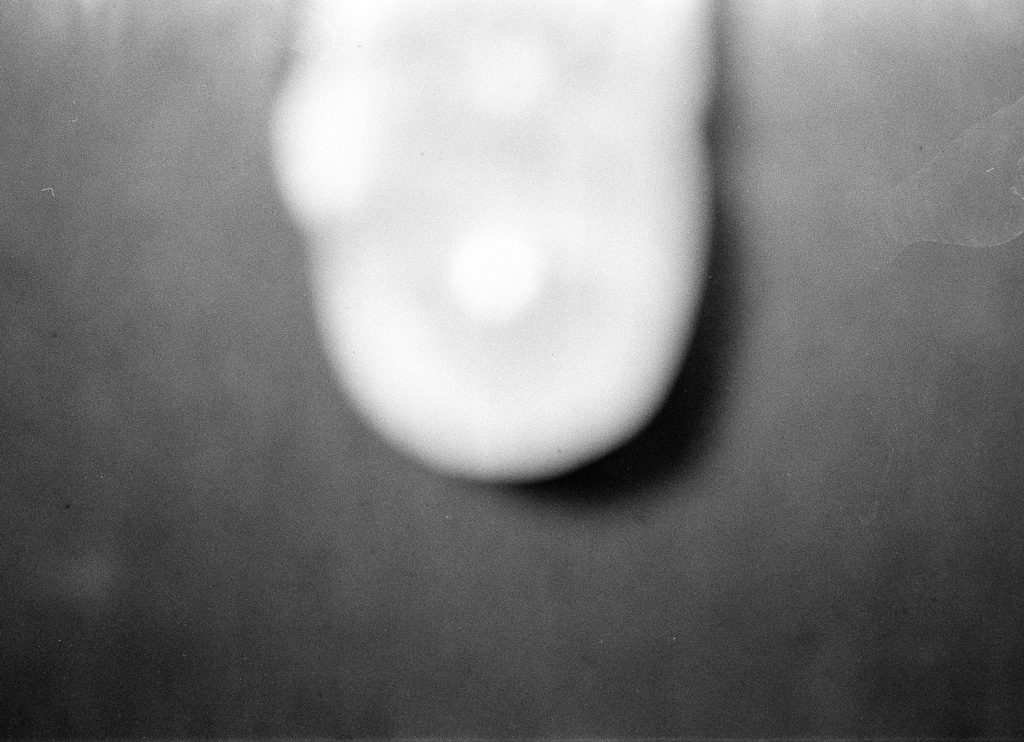
The work is made through alternative and expanded analogue photographic practice, a choice that carries its own meaning: the intimacy and physicality of film against the surveillance logic of the digital. The images are sexy, subversive and, as he describes them, paradoxically submissive, holding together the complexity of power dynamics within queer sexual culture rather than flattening them into something more comfortable.
Alfie Wright is a multidisciplinary artist from Bolton, based in London, working primarily in photography. His practice explores sexuality, queerness, identity and power.
Instagram: @alfiewrightart
Where do boys like you belong? Analogue photography. All images: Alfie Wright.


